

Knowing these Baking Tips and tricks will help you become a more confident and consistent baker. Read through these practical hacks and techniques to improve texture, flavor, and presentation in everything you bake.

40 Baking Tips For Next Level Baking
If you’ve been relying on boxed mixes and are ready to go fully homemade, these tips will guide you through that transition. Baking is precision-driven, but with the right techniques and small habits you can remove much of the guesswork and get consistent results.
You may love the aromas and the joy of sharing your baked goods, but dread exact measurements or uncertain outcomes. These tips focus on practical, easy-to-apply steps that will boost your confidence and your results.
Follow these Baking Tips to improve structure, flavor, and texture in cakes, cookies, breads, and more.
The Best Baking Hacks + Tips
- Read the entire recipe before you begin. Knowing all steps and ingredients ahead of time prevents surprises and helps you prepare equipment and timing.
- If you don’t have buttermilk, make a quick substitute by adding 1 tablespoon of vinegar or lemon juice to 1 cup of milk. Let it sit for a few minutes before using.
- A quick rule for baking powder: use about 1 teaspoon of baking powder per cup of flour in many recipes that don’t specify otherwise.
- If you lack baking powder, you can substitute by reducing the liquid slightly and using ½ cup yogurt, sour cream, or cultured buttermilk plus ½ teaspoon baking soda to achieve lift and moisture.
- Don’t overuse baking powder. Adding too much can cause a batter to rise rapidly and collapse and can leave a bitter aftertaste.
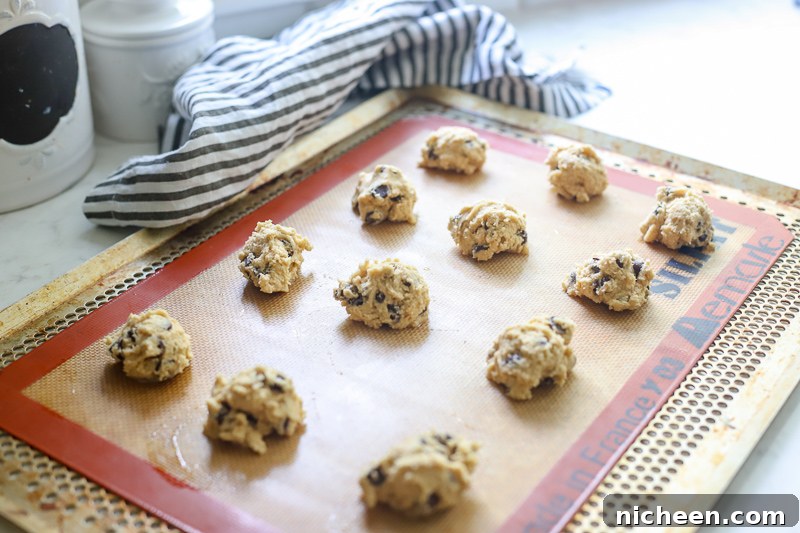
- Use a silicone baking mat for consistently baked cookies: it helps produce crisp edges and chewy centers while preventing sticking.
- For lower-fat baked goods, applesauce works as a 1:1 substitute for butter, oil, or margarine in many recipes. Expect a slightly denser texture but still delicious results.
- Remember the basic difference: baking soda is alkaline and needs an acid to activate it; baking powder contains both acid and base and is a complete leavening agent.
Tip: Baking soda, when combined with a liquid and an acidic ingredient, produces carbon dioxide and helps baked goods rise. Baking powder already includes the acid needed for leavening.
- Most recipes call for unsalted butter so you can control the salt level. If you only have salted butter, reduce added salt slightly and taste as you go.
Recipe Idea: Oatmeal Bars
- Before baking, gently drop a filled cake or brownie pan straight down onto the counter once. This helps release trapped air bubbles for a more even crumb.
- Remove cookies from the oven when the edges are set and golden but the centers still look slightly underbaked; they’ll finish setting on the sheet and stay soft and chewy.
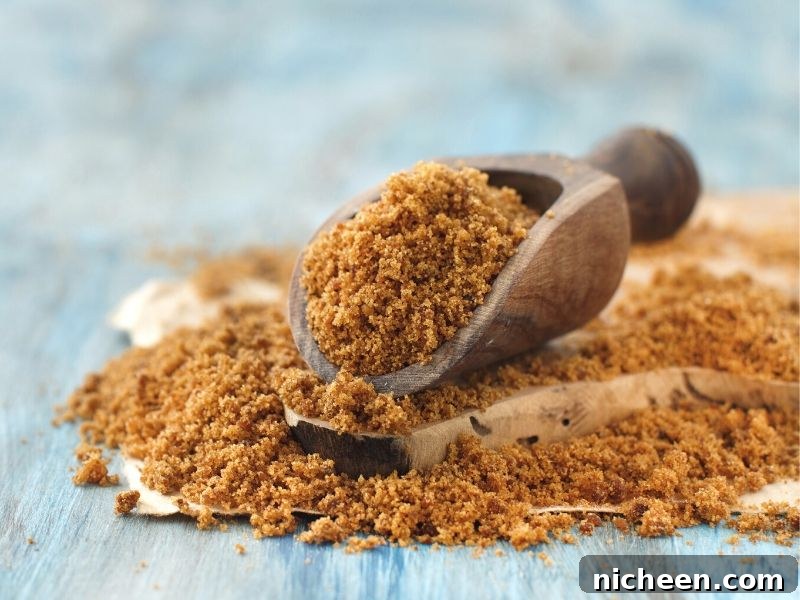
- To keep brown sugar soft, store it with a couple of marshmallows or a slice of apple in an airtight container. Replace the softening piece when it hardens.
- To prevent cookies from going stale and hard, store them in an airtight container with a slice of apple; the moisture helps preserve softness.
- Bring all ingredients, including eggs, to room temperature unless the recipe specifies otherwise. This improves emulsification and results in a more even batter.
- Baking powder, baking soda, and yeast lose potency over time. Replace baking powder and baking soda roughly every six months, and store yeast in the freezer to extend its life.
Tip: Keep yeast in the freezer to maintain freshness and strength for longer.
- Thoroughly grease and flour cake pans when a recipe requires it, or line with parchment. Properly prepared pans make removing cakes easier and help prevent sticking.
- Avoid opening the oven door while baking unless necessary. Each opening causes temperature fluctuations that can affect rise and structure.
- Place pans near the center of the oven for the most even heat circulation and consistent baking results.
- If a recipe asks you to separate eggs, do it while the eggs are still cold; the whites separate more cleanly from yolks when chilled.
- To soften butter quickly, use a cheese grater to create fine shavings that come to room temperature faster and mix more evenly into batters.
Recipe Idea: Brownie Strawberry Shortcake
- If a recipe instructs you to alternate dry and wet ingredients when mixing, always begin and finish with the dry ingredients for best texture.
- Chill your equipment before whipping cream—cold beaters and a cold bowl help cream whip faster and hold structure longer.
- Keep cake decorating tools and tips organized in a small lidded tub so you can find what you need quickly and avoid losing small pieces.
- Stock pantry essentials—flour, quality vanilla, spices, sugars, salt, and neutral oil—so you can tackle most recipes without a special trip to the store.
Vegan Baking Tips
- For vegan recipes that call for condensed milk, try full-fat canned coconut milk reduced slightly or a vegan condensed-milk alternative depending on the recipe.
- Many vegan bakes benefit from a slightly lower oven temperature and a slightly longer bake time to avoid dry, dense results—monitor your bake closely and test for doneness.
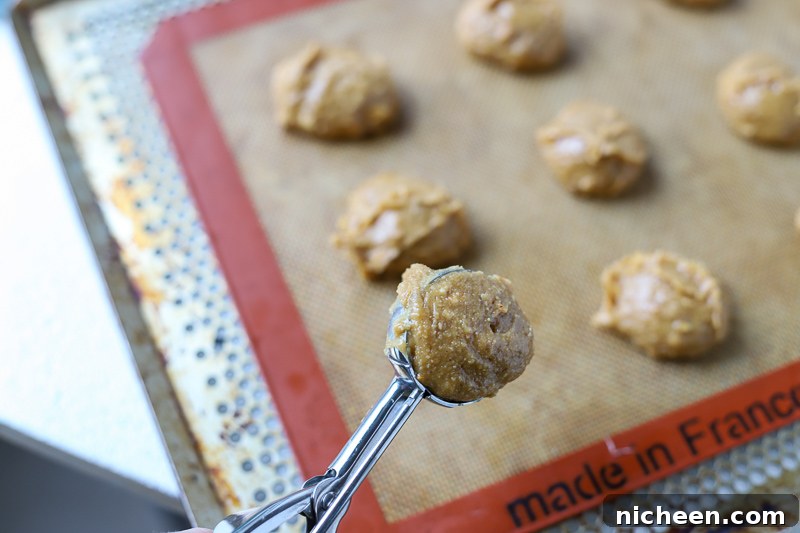
- Use a single scoop or cookie scoop to portion muffin and cupcake batter for uniform sizes and even baking.
- Measure flour correctly: spoon flour into the measuring cup and level it with a knife rather than scooping directly from the bag to avoid packing too much flour into the cup.
- Fill cake, muffin, and bread pans about two-thirds full to allow batter enough room to rise without overflowing.
- To line a pan with parchment, trace the bottom of the pan on the parchment and cut to fit. Lightly grease the pan, place the parchment, and grease the parchment as well to ensure easy removal.
Recipe Idea: Peanut Butter Oatmeal Bars
- Create tulip-style cupcake liners by cutting squares of parchment and shaping them into the muffin tin for a decorative, easy-release liner.
- Avoid overmixing or undermixing batters; both can negatively affect crumb structure and volume. Mix until ingredients are just combined unless the recipe specifies otherwise.
- Full-fat buttermilk, sour cream, and Greek yogurt can often be used interchangeably in equal amounts for moisture and tang—choose based on the texture and flavor you prefer.
- Allow cakes to cool completely before frosting to avoid crumbs in your icing and to get a smooth finish.
- For neat slices, use a hot knife on chilled desserts and a chilled knife on warm desserts. Wipe the blade clean between cuts for tidy portions.
- Test cakes for doneness with a toothpick or skewer inserted into the center; if it comes out clean or with a few moist crumbs, the cake is done.
- Make a piping bag from a disposable plastic bag: fill the bag, push frosting into one corner, snip the tip, and pipe as needed.
Recipe Idea: Chocolate Chip Cookie Cups with Cheesecake Filling
- Ovens can run hot or cool. Use an oven thermometer on the rack to check actual temperatures and adjust as necessary for consistent results.
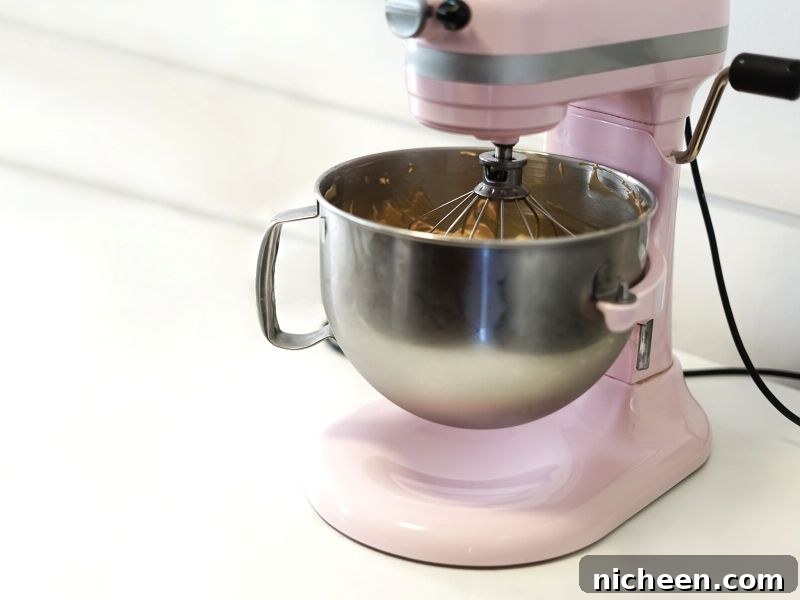
- Invest in quality bakeware and tools—a reliable stand mixer, sturdy pans, and good measuring tools will pay off with better and more consistent bakes.
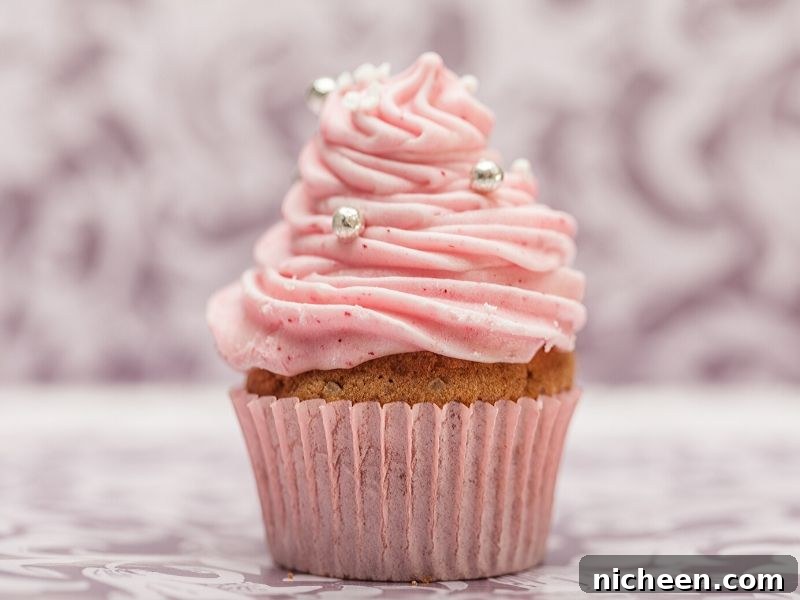
- To tint frosting, start with a small amount of gel or concentrated food color and add gradually until you reach the desired shade. Small increments help avoid over-coloring.
That’s a comprehensive list of practical baking tips to reference whenever you step into the kitchen. Bookmark these techniques and try a few at a time—your results will improve with each bake.
If you enjoy these tips, consider saving this page for future reference and follow your favorite baking accounts on social media to discover more recipes, techniques, and inspiration.