
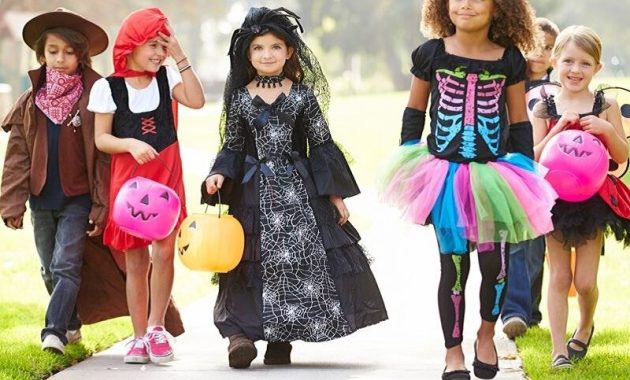
It’s that time of year when ghosts, goblins, and superheroes return to the streets. Halloween should be fun, but it can also bring hazards if a few precautions are overlooked. Below are five practical, parent-friendly Halloween safety tips to help you protect your children while they enjoy the festivities.
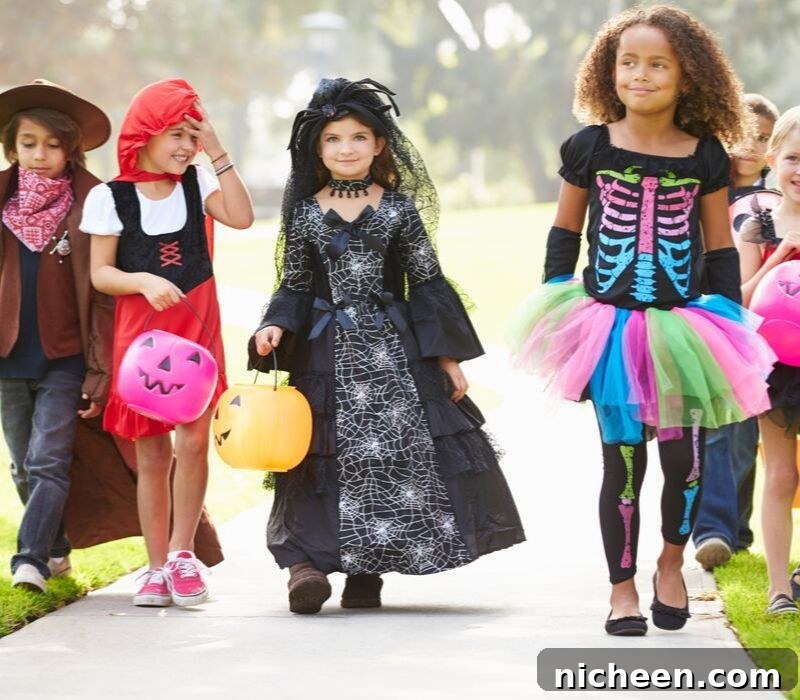
5 Important Halloween Safety Tips for Parents
Children love costumes, parties, and candy, but Halloween can also increase certain risks. For example, national safety organizations have noted that pedestrian accidents rise on Halloween night compared with other days. Use these five Halloween safety tips to reduce risk and keep the evening enjoyable for your family.
If you end up with extra sweets after the holiday, consider creative ways to use leftover candy like baking or donating to local programs—there are many safe, delicious options beyond simply eating it all at once.

How you celebrate can be adapted to your neighborhood, your children’s ages, and the weather. Below are specific steps to make trick-or-treating and other celebrations both safe and memorable.
1.) Find Alternatives to Trick-or-Treating Outdoors
If weather, darkness, or neighborhood conditions make traditional trick-or-treating risky, consider organized or indoor options.
- Look for community center or church Halloween events that gather families in a single, supervised location.
- Malls and shopping centers often host trunk-or-treats or costume events that provide a climate-controlled, well-lit environment and fewer traffic hazards.
2.) Safety on the Streets
Going door to door requires extra attention. Reinforce a few basic rules with young children so they remember them in the excitement.
- Teach children to always look both ways before crossing streets. Excitement and dark costumes can distract them.
- Encourage families to follow a predictable route: stick to one side of the street and cross only at corners or marked crosswalks. Avoid zigzagging across roadways where drivers may not expect pedestrians.
3.) Have an Adult Go With
Young children should be accompanied by a responsible adult when trick-or-treating. If an adult cannot go out with them, make safe alternative arrangements.
- Arrange for a trusted neighbor, relative, or friend to supervise a group of children.
- Only visit homes with porch lights on, and never allow children to enter a stranger’s home or car to receive treats.
- If you observe suspicious behavior or a safety concern, contact local authorities rather than confronting the situation yourself.
Tip: Children 12 and younger should have a parent or trusted adult accompany them while trick-or-treating.
4.) Costume Safety Tips
A well-chosen costume reduces the chance of trips, burns, and vision problems. Keep costumes simple, comfortable, and visible.
- Choose costumes that allow clear peripheral vision and are short enough to prevent tripping. Look for fabrics labeled as flame resistant.
- Consider face paint instead of full masks so children can see and breathe easily. Use skin-safe paints designed for faces.
- Avoid bulky props that impair movement or create a tripping hazard. If a child wants a prop, make sure it is lightweight and flexible.
- Increase visibility with a small flashlight, reflective tape, or glow sticks attached to costumes or treat bags so drivers and other pedestrians can see your child in low light.

Tip: For the best photos, take pictures before heading out and leave fragile or cumbersome costume pieces at home for the walk.
5.) Check the Candy
Inspect treats before they are eaten to reduce the risk of foodborne illness and ensure safety.
- Give children a substantial meal before they leave so they’re less likely to eat candy while still out.
- Tell children to wait until they’re home to eat any treats and discard anything that looks tampered with or homemade if you don’t know the source.
Halloween Safety Tips for Older Kids
Older children and teens benefit from a different set of guidelines that promote independence while preserving safety.
- Make sure teens carry a charged cell phone and know how to contact you or emergency services if needed.
- If they will attend a party, confirm the location and the host’s contact information ahead of time, and check in periodically.
- Agree on a clear route and a reasonable curfew. Ensure they understand to call if plans change.
- Discuss expectations and consequences ahead of time so teens can make safer decisions while out with friends.
With a little planning and a few simple rules, Halloween can be a safe, joyful evening for the whole family. These Halloween safety tips—from considering indoor alternatives to checking treats and supervising young children—help minimize risks while preserving the fun and excitement of the night.
Read Next: Easy Halloween Treats