
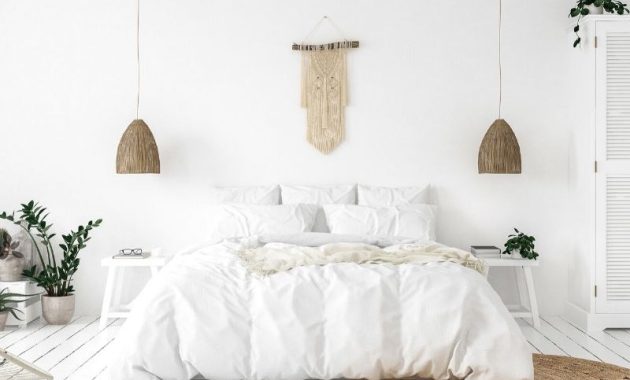
Feng Shui decor ideas and practical tips to bring calm, balance, and prosperity into your home. Learn the basic principles of feng shui and simple ways to incorporate them into each room so your space feels supportive and welcoming.
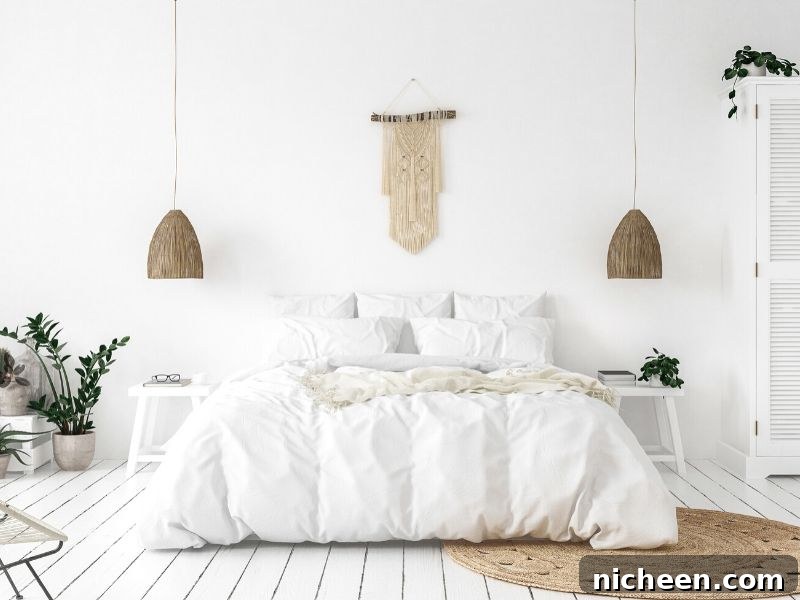
Feng Shui Decor for Your Home
A calm, pleasing home supports rest, creativity, and everyday well‑being. When life gets hectic, your living space should be a stable place to recharge. Feng shui is a design approach that focuses on arranging your environment to encourage positive energy, clarity, and balance. Below are approachable feng shui decor strategies you can apply room by room.
What is Feng Shui?
Feng shui is an ancient Chinese practice centered on harmonizing people with their surroundings by arranging objects, furnishings, and spaces to promote a smooth flow of energy, often called chi. The goal is practical: create environments that feel balanced, supportive, and inviting.
When applied thoughtfully, feng shui can help you cultivate a home that encourages rest, connection, creativity, and even prosperity. The ideas below focus on clear, realistic steps anyone can take.
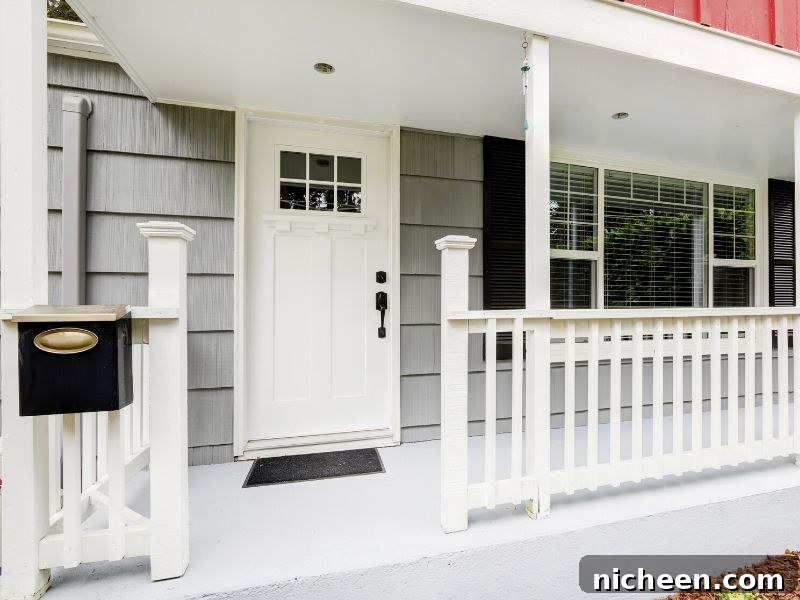
1. Make a Great First Impression with Your Front Door
Your front door is a primary entry point for energy. A welcoming entrance invites positive energy into the home: keep the doorway clean, add a fresh coat of paint if needed, place a tidy welcome mat, and incorporate natural elements such as potted plants or simple outdoor planters. Good lighting and an uncluttered path also reinforce a sense of welcome and safety.
2. Declutter to Open the Flow
Clearing clutter creates more calm and frees up mental space. In feng shui, stagnation—whether physical or visual—blocks the flow of good energy. Instead of hiding things under beds or piling items in closets, sort and remove objects you no longer use or love. Keep storage organized so surfaces are clear and pathways are unobstructed. This creates room for fresh, positive energy to circulate.
3. Maximize Light and Air Flow
Light and fresh air enliven a space. Open windows regularly to circulate air, clean windows and reflective surfaces to increase natural light, and add lamps where corners feel dark. Mirrors can be used to amplify light and expand a room visually, but avoid placing them opposite the bed if you want the bedroom to feel restful.
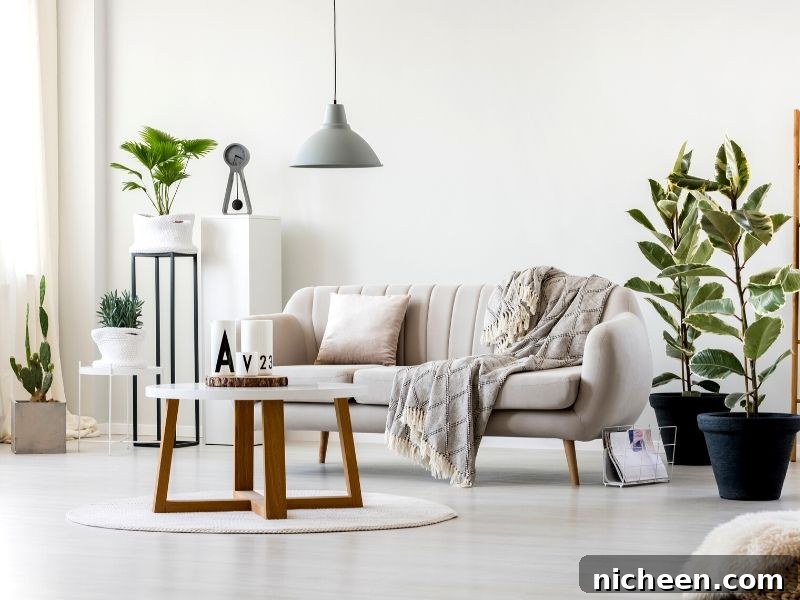
4. Use Live Plants for Energy and Air Quality
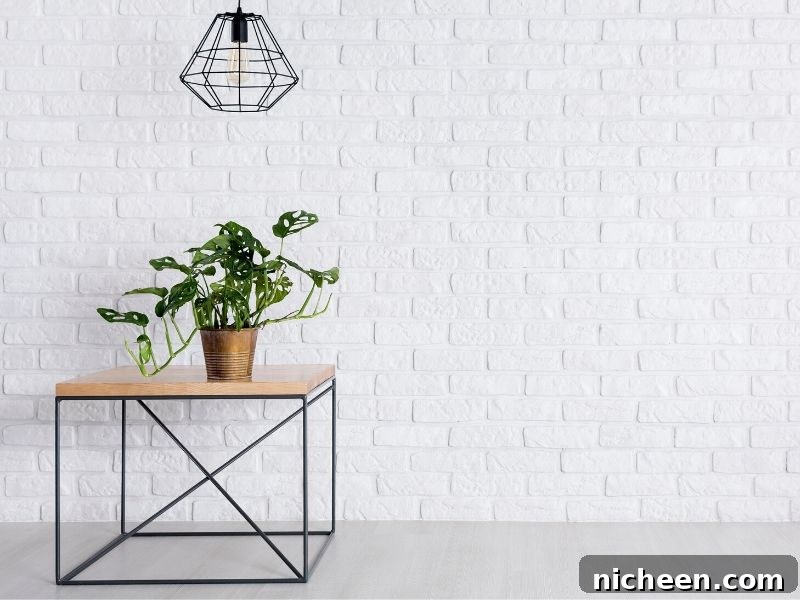
Plants bring life, color, and cleaner air into a home, and they are a straightforward way to invite vibrant chi. Choose healthy, well‑kept plants and place them where they can thrive. Avoid spiky or overly sharp plants in living spaces where you want softness and connection—some traditions view certain cacti as less favorable in areas associated with wealth and relationships.
5. Activate Energy with Color
Color carries mood and energy. Use hues intentionally to support the atmosphere you want in each room—whether calm, energetic, or restorative. You can introduce color through paint, textiles, artwork, and accessories. Common associations used in feng shui include:
- Red: luck, vitality, and warmth
- Orange: happiness and creativity
- Yellow: mental clarity and optimism
- Green: balance, renewal, and healing
- Blue: calm, communication, and serenity
- Purple: spiritual depth and richness
- White: clarity and simplicity
- Black: power and depth (use sparingly)
- Brown: grounding and nurturing
6. Balance Yin and Yang
Feng shui emphasizes balance between yin (soft, passive) and yang (active, structured) qualities. Decorate with complementary contrasts: combine soft textures and rounded shapes with clean lines and structured elements, or pair light and dark tones to create visual harmony. The goal is a balanced environment that feels both restful and alive.
How Do I Decorate My House with Feng Shui?
For beginners, decorating with feng shui is about mindful choices: reduce clutter, let in light and air, add life with plants, and use color and materials intentionally. Below are the five core elements and simple ways to bring them into your home.
Feng Shui Elements
Wood for growth and vitality: introduce with plants, wooden furniture, or decor that emphasizes vertical lines.
Metal for focus and clarity: use metal frames, light fixtures, or sculpture to support concentration and precision.
Earth for stability and grounding: add stones, pottery, or earth‑toned textiles and imagery that feel steady and calming.
Water for calm and clarity: mirrors, small fountains, and reflective surfaces can support restful energy and thoughtful reflection.
Fire for passion and transformation: candles, warm lighting, or red accents bring energy and warmth to social areas.
Feng Shui Decor Ideas You Need in Your Life
Here are affordable, practical decor ideas you can add gradually. Each suggestion supports one or more feng shui principles—balance, clarity, life, and intention.
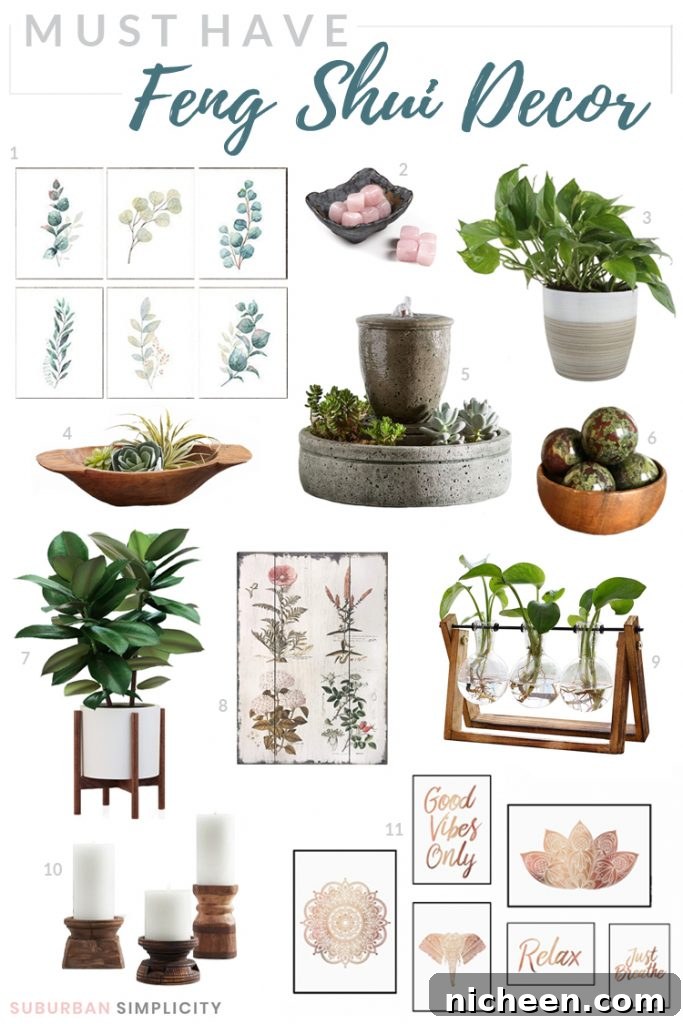
- Botanical prints or nature-inspired artwork to bring stability and visual calm to walls.
- Rose quartz or other smooth crystals as gentle accents intended to support feelings of love and compassion.
- Low‑maintenance indoor plants such as pothos to add greenery and improve air quality.
- A reclaimed wooden dough bowl or tray as a natural, grounding decor piece.
- A small indoor fountain or water feature to introduce gentle water energy and soothing sounds.
- A decorative stone sphere or grounding object to promote focus and stability.
- A simple mid‑century plant stand to elevate plants and distribute green energy through a room.
- Wooden plaques or framed wood art for warmth and organic texture.
- A closed terrarium or glass display for small plants to create a contained, calming focal point.
- Handcrafted wooden candle holders to bring warmth and the fire element into shared spaces.
- Calming prints or art with zen motifs to enhance a peaceful atmosphere.
Feng shui is less about rigid rules and more about intention. Use these ideas as a guide, adjust them to your lifestyle and tastes, and favor choices that make your home feel comfortable, balanced, and supportive. Small, consistent changes often have the biggest impact on how a space feels.