

How to clean your washing machine for fresher laundry — easy, step-by-step instructions and guidance on how often to do it so your clothes come out smelling clean and looking their best.
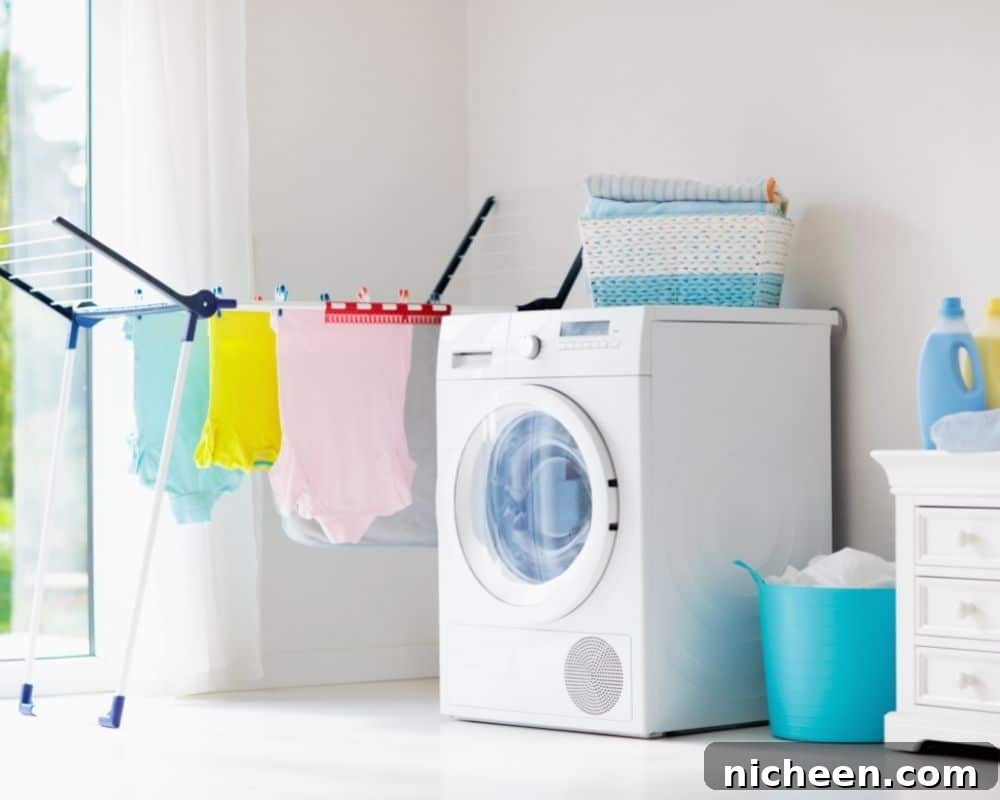
Even though a washing machine’s purpose is to clean clothes, the appliance itself benefits from regular deep cleaning. Dirt, detergent residue, fabric softener, minerals from hard water, and body oils can build up inside the drum, dispensers, and seals. Over time this buildup can cause musty odors, reduce washing performance, and even leave residue on garments. A short, intentional cleaning routine keeps your washer fresh, hygienic, and working efficiently.
Below are simple, effective steps to deep-clean either a front-loading or top-loading washing machine using common household supplies, plus troubleshooting tips for persistent smells and recommended cleaning frequency.
What is the Best Way to Clean a Washing Machine?
A full deep clean can be done in a few straightforward steps. The following routine works for both front- and top-load washers and focuses on removing bacteria, mineral deposits, and detergent build-up.
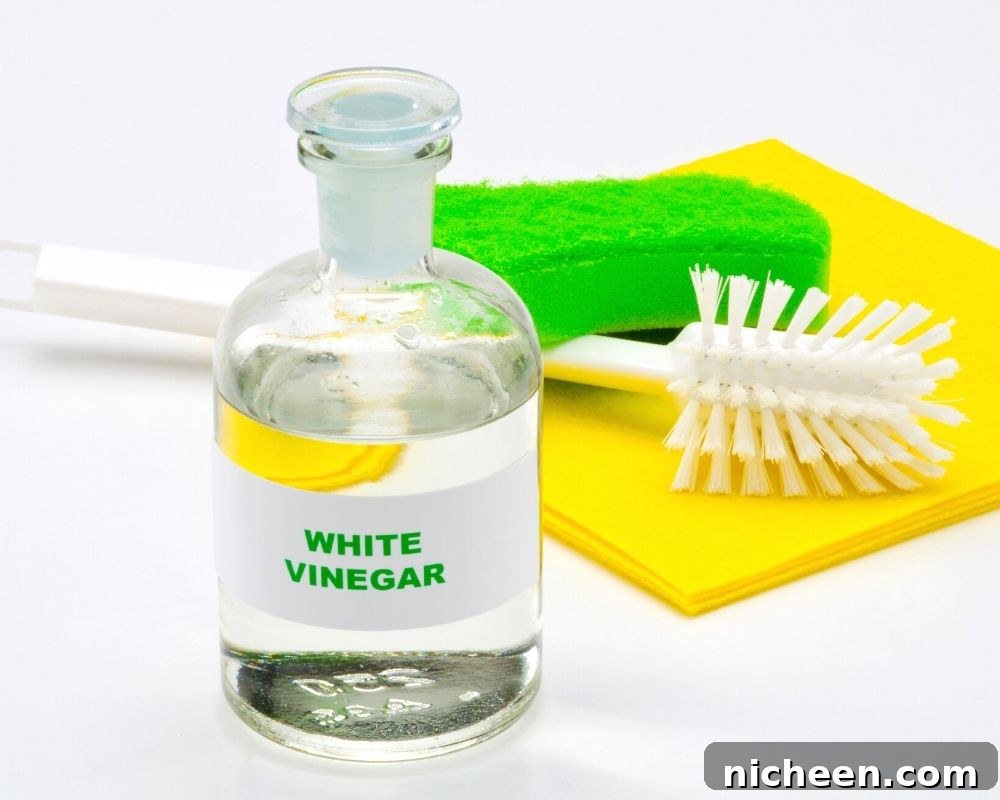
- Run a hot water cycle with vinegar to deodorize and reduce bacteria. Add two cups of distilled white vinegar to the detergent drawer for a front-loader or directly into the drum for a top-loader, then run the hottest, longest cycle available with no laundry in the machine. Vinegar helps dissolve residues and neutralize odors.
- Scrub the interior and dispensers. Mix about one quart of warm water with 1/4 cup white vinegar. Use a sponge or microfiber cloth to wipe the drum, inside of the door, door opening, and dispenser trays. Remove and clean removable trays where possible; use an old toothbrush for crevices and corners where soap and softener concentrate.
- Rinse with another hot cycle. Run the washer again on the hottest setting with no detergent or additives to flush out loosened residues. When the cycle finishes, dry the inside of the drum and door with a clean microfiber cloth to remove leftover moisture and any lingering vinegar scent.
- Wipe the exterior and controls. While the machine is running a rinse cycle, lightly dampen a cloth with the vinegar-and-water solution and wipe the top, sides, door, control panel, and knobs. For stubborn spots, a soft-bristled toothbrush applied gently will help without scratching surfaces. Finish by wiping again with a clean damp cloth to remove any residual vinegar smell.
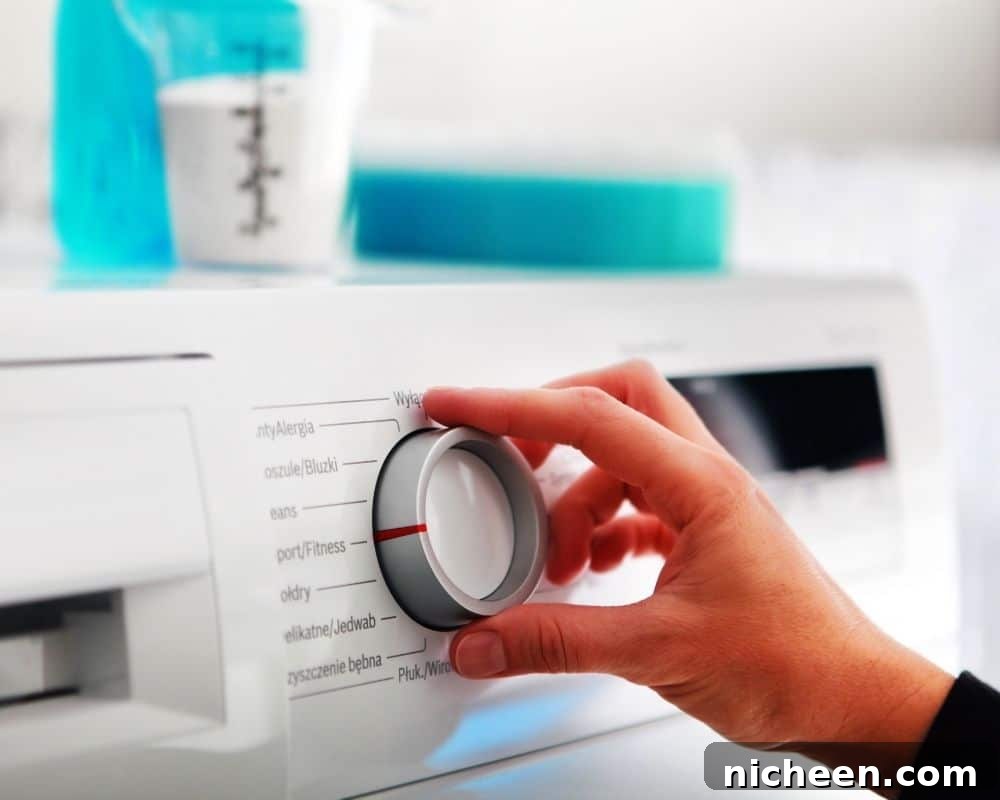
Tip: Remove and scrub the dispenser tray with a small brush to clear mildew, soap scum, or fabric softener buildup.
How Do You Clean a Smelly Washing Machine?
Front-loading washers are especially prone to developing musty odors because the rubber gasket and tight door can trap moisture. Mildew and mold can hide in deep folds and seams, producing unpleasant smells and potentially staining fabrics.
To remove odors from the door gasket and seals, focus on thorough surface cleaning and drying:
Two effective options to remove smells
- Vinegar: Spray distilled white vinegar onto the rubber seal and let it sit briefly, then scrub and wipe clean with a microfiber cloth. Work into folds and crevices to dislodge trapped residue.
- Bleach: For stubborn mold stains, use a diluted bleach solution applied carefully to the gasket, then wipe thoroughly. Ensure proper ventilation and follow safety recommendations for using bleach in enclosed spaces.
After cleaning, dry the area fully with a cloth and leave the washer door open for several hours to allow remaining moisture to evaporate. Regularly checking and drying the gasket prevents odors from returning.
Tip: Leave the washing machine door open between loads to promote air circulation and prevent mold growth in seals and the drum.
How Often to Clean
How often you should deep-clean your washer depends on the type of machine and how you use it. As a general guideline:
- Traditional top-loading machines: Clean about twice a year. If you live in a hard-water area, increase frequency to every three to four months to reduce mineral buildup.
- High-efficiency and front-loading machines: Clean more frequently—approximately every four to six weeks—since these models use less water and can trap detergent and soils more easily. If you wash heavily soiled items often or live in a humid climate, stick to the shorter interval.
Look for signs that your washer needs attention: lingering odors, visible residue on clothes after washing, slow drainage, or visible mold in seals and dispenser areas. Addressing these issues promptly extends the life of the appliance and keeps laundry smelling fresh.

More Cleaning Guides
How to Clean Your BBQ Grill
How to Clean Baseboards and Trim
15 Minutes to a Clean Refrigerator
Stay in Touch
FOLLOW US on FACEBOOK, TWITTER, INSTAGRAM, and PINTEREST to find more cleaning tips, recipes, crafts, and DIY ideas.