
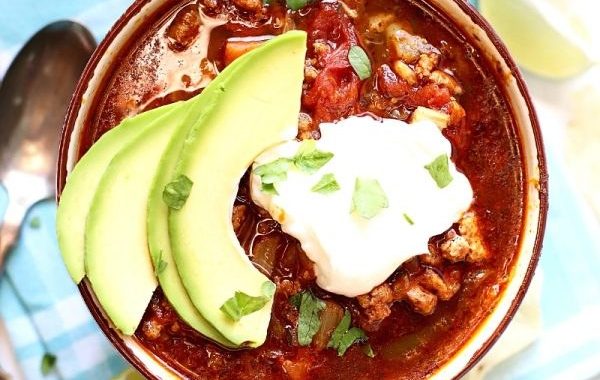
These easy Healthy Slow Cooker Recipes are flavorful, nutritious, and simple to prepare. Using your crockpot delivers rich, well-developed flavors with minimal hands-on time, making it effortless to serve wholesome meals any night of the week.
Slow cooker chicken dishes are among the most popular and reliable options. With a few basic tips for using your crockpot, you’ll consistently get tender, well-cooked results and delicious dinners with very little effort.
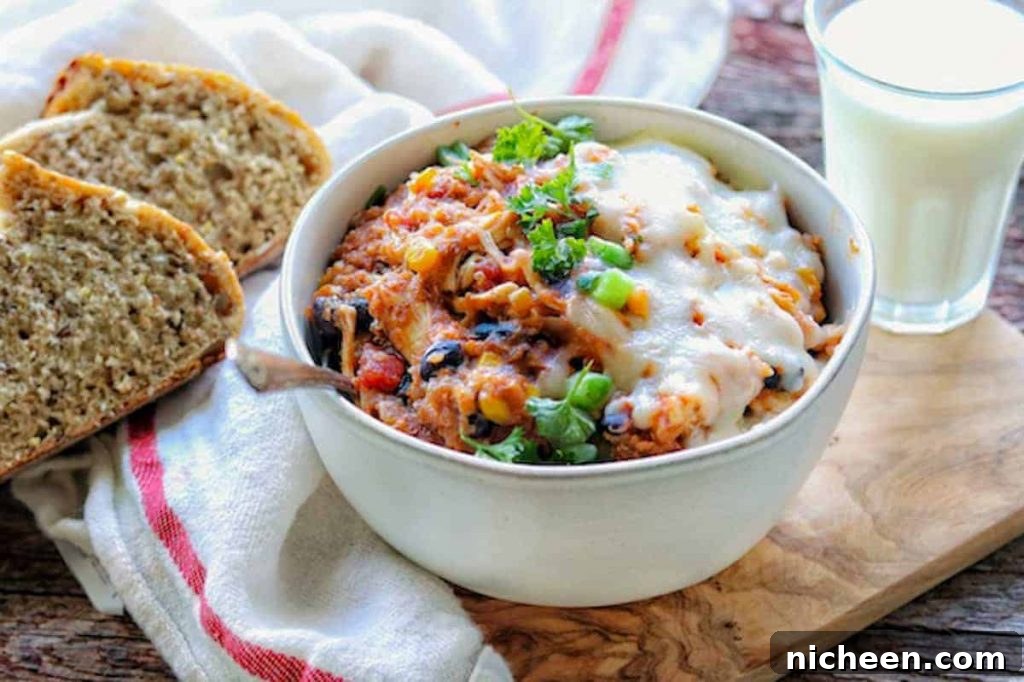
The Best Healthy Slow Cooker Recipes
A slow cooker is one of the easiest ways to get healthy, home-cooked meals on the table. It allows you to combine wholesome ingredients in the morning and return to a finished meal in the evening. Add a few crockpot recipes to your weekly meal plan to save time and reduce stress.
Slow cookers are forgiving appliances: cooking at low temperatures for long periods helps prevent overcooking and keeps meals moist. That makes them ideal for both beginners and experienced cooks who want reliable, nutritious dinners without constant monitoring.
From hearty, family-friendly soups and stews that warm you in winter to lighter recipes that keep kitchens cool in summer, there are healthy slow cooker options for every season. You’ll find recipes for lean chicken, lean beef, vegetarian meals, and adaptable dishes that work with varied dietary preferences.
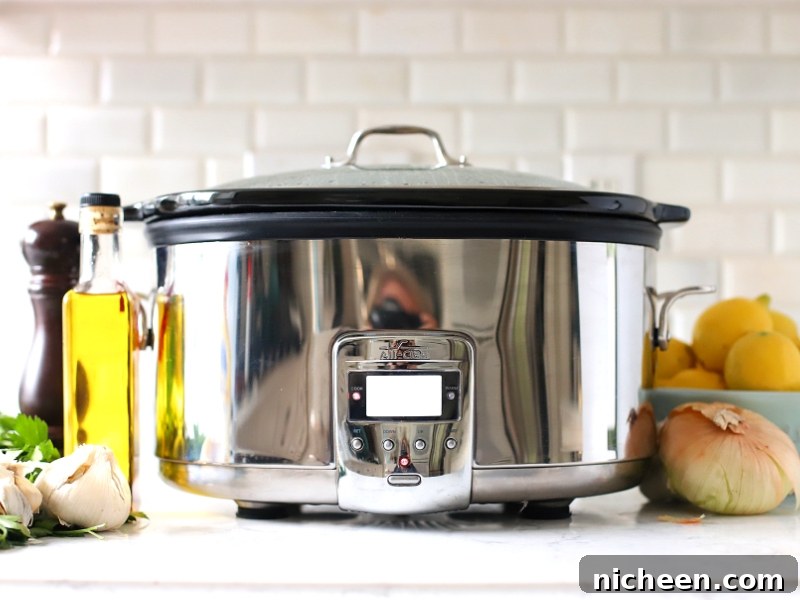
Is It Healthy To Cook in Your Crock Pot?
Yes—slow cooking is a healthy way to prepare meals. Here are the main benefits:
- Low, gentle heat: Cooking slowly over low heat preserves moisture and tenderness, reducing the need for added oils, excess salt, or sugar while concentrating natural flavors.
- Vegetable-friendly: Slow cookers make it easy to include nutrient-dense vegetables. Long, gentle cooking softens fibrous vegetables and mellows flavors, which often makes them more appealing to children.
- Less direct charring: High, direct heat—like grilling or pan-searing—can form harmful compounds on meat. Slow cooking avoids these conditions while still producing deeply flavored results.
Why Use Your Crock Pot to Make Healthy Meals
Healthy crockpot meals are convenient, adaptable, and economical. Consider these advantages:
Set it and forget it: Add ingredients, set the timer, and your crockpot does the work. Many recipes run about 4 hours on high or 6–8 hours on low, depending on the cut of meat and volume.
Fits most diets: Whether you follow keto, vegetarian, low-fat, or a balanced diet, slow cooker recipes can be tailored to meet your nutritional needs.
Great for meal prep: Prep ingredients in the morning, then come home to a finished dinner—no last-minute cooking and less temptation to snack while waiting for dinner to be ready.
Easy clean-up: With only one pot to wash, cleanup is quick. Using a liner or a light spray of oil can make cleaning even simpler.
Budget-friendly: Soups, stews, and large-batch recipes stretch expensive ingredients like meat and yield leftovers for lunches or another meal, helping reduce food costs.
Can You Put Raw Meat in Your Slow Cooker?
Yes—placing raw meat directly into the slow cooker is safe. The appliance reaches temperatures that thoroughly cook meats when used according to recipe instructions. For certain dishes, searing or browning meat before slow cooking can enhance flavor and texture, but it’s not required for food safety.
Other Slow Cooking Tips
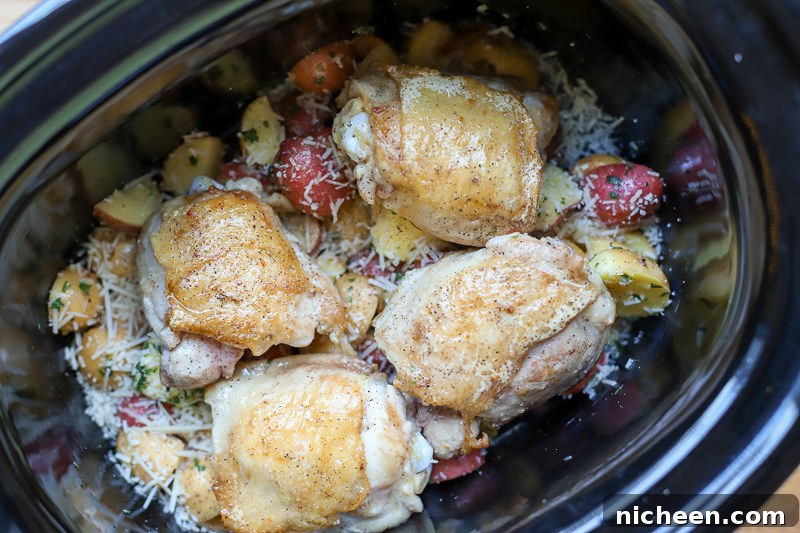
- Place firmer vegetables such as potatoes and carrots on the bottom of the cooker, with meat on top. This helps vegetables cook through evenly.
- Avoid overfilling your slow cooker. For best results, fill to no more than two-thirds full to allow proper circulation and consistent cooking.
- Never place a cold stoneware insert directly onto a hot base. Allow cold inserts to come to room temperature first to prevent cracking.
Choosing the Best Slow Cooker
When shopping for a programmable crockpot, look for models with reliable temperature settings and a timer that automatically switches to warm. Features like a digital countdown, multiple heat settings, and a secure lid for transport are useful for busy households. Choose a capacity that matches your typical meal size—smaller units for singles or couples and 6-quart or larger models for families and batch cooking.
For ongoing inspiration, follow the recipe source on social media channels such as Facebook, Twitter, Instagram, and Pinterest for fresh meal ideas, cooking tips, and seasonal recipe roundups.