
Looking for a simple, effective, and natural cleaner for your home? This Natural All-Purpose Cleaner uses just three basic ingredients and is inexpensive and easy to prepare. It’s ideal for everyday cleaning tasks and leaves a fresh scent when you add essential oils.
This cleaner is especially handy for cleaning and organizing your pantry or refreshing your refrigerator.
All-Purpose Cleaner for Your Home
If you prefer to avoid harsh chemicals while still keeping your home clean and smelling pleasant, a DIY natural all-purpose cleaner is a great option. This recipe combines the cleaning power of vinegar with the fresh aroma and extra cleaning benefits of essential oils. It’s a versatile spray you can use on most hard surfaces to remove dirt, grease, and everyday grime.
Many people choose homemade cleaners to reduce exposure to synthetic fragrances and strong chemical agents. A simple switch to natural ingredients can be gentler on your indoor air and on surfaces, while still delivering reliable results for routine cleaning.
Ingredients for Homemade Cleaner with Essential Oils
- Glass spray bottle (recommended)
- 1 cup water
- 1 cup white vinegar or apple cider vinegar
- 20–40 drops of essential oils (popular choices: lemon, lavender, eucalyptus)
How To Make a Natural All-Purpose Vinegar Cleaner
- Pour the water and vinegar into a clean spray bottle—glass is best to avoid any plastic odors and to reduce plastic use.
- Add 20–40 drops of your chosen essential oils for fragrance and extra cleaning properties.
- Close the bottle and shake well before each use to blend the oils and liquid.
- Store the bottle in a cool, dark place to preserve the essential oils, which can oxidize in direct sunlight.
Tip: A reusable glass spray bottle is environmentally friendly and prevents any residual plastic scent from transferring to your cleaner. Choose a comfortable size so the bottle is easy to handle and refill.
This simple combination of vinegar and essential oils is an economical way to clean and deodorize most areas of your kitchen and home. The vinegar helps break down grease and neutralize odors, while essential oils add a pleasant scent and can provide mild natural antibacterial properties depending on the oil chosen.
How to Make a Natural Kitchen Cleaner and Deodorizer
For tougher messes or areas that need deodorizing—like sinks, drains, and garbage disposals—baking soda is an excellent companion to vinegar-based cleaners. Try this gentle cleaning solution for counters, refrigerators, and more.
Ingredients for Cleaner/Deodorizer
- 4 tablespoons baking soda
- 1 quart warm water
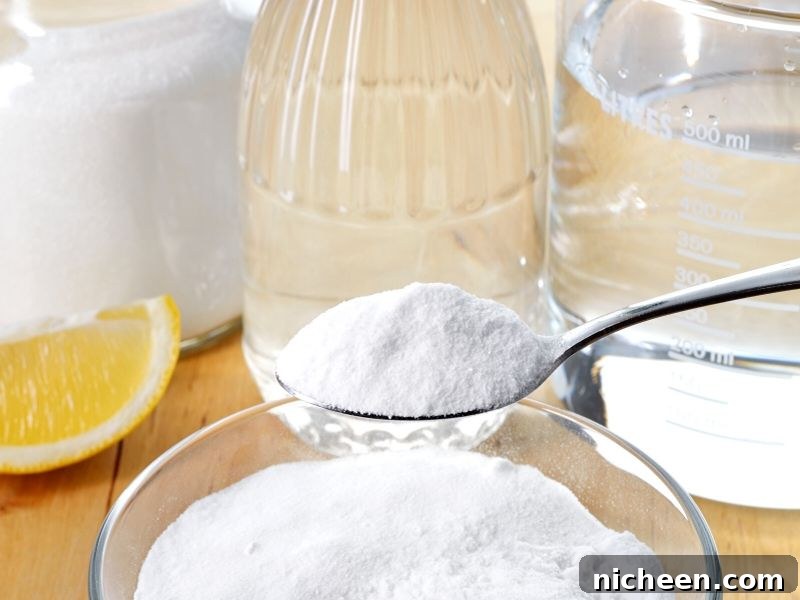
Mix the baking soda into the warm water until dissolved. Use this solution with a cloth or sponge to scrub counters, inside refrigerators, or other surfaces that need deodorizing. For localized stains or stainless steel marks, make a paste by adding a small amount of water to baking soda, apply with a damp cloth, and rub gently in the direction of the grain. Rinse and buff dry.
This combination is especially effective on water stains, sticky residues, and areas that trap odors.
Tip: Sprinkle a little baking soda into your garbage disposal, wait a minute, then run cold water and turn it on to freshen odors. A few drops of lemon essential oil can also help neutralize unpleasant smells.
Can You Mix Baking Soda and Vinegar to Clean?
Yes. Mixing baking soda and vinegar can help lift stubborn stains and clear residues in small cleaning projects. When combined, they create a fizzy reaction that can help dislodge grime from mugs, dishes, and drains. Use equal parts for spot cleaning, then rinse thoroughly.
Important Note About Natural Cleaners
Avoid using vinegar-based cleaners on natural stone surfaces such as marble or some granites, as the acid in vinegar can dull or etch sensitive stone over time. Always test any cleaner on an inconspicuous area first, and use caution on delicate finishes.
Safety and Storage Tips
– Label your bottles clearly and keep them out of reach of children and pets. - Store essential oils and prepared cleaners in a cool, dark spot to prolong their effectiveness. - Shake the bottle before each use to redistribute oils. - If you have concerns about allergic reactions or sensitivities, test a small area first or consult product guidance for specific essential oils.
Stay In Touch
You can also FOLLOW US on social channels like FACEBOOK, TWITTER, INSTAGRAM, and PINTEREST for more natural cleaning ideas, home tips, and simple DIY recipes.
This post was originally published in January 2016 and updated with enhanced instructions on March 13, 2020.
You May Also Like:
17 Amazing Uses for Lemon Essential Oil
Simple Organization Tips for Busy Families