
Your step-by-step guide on how to do laundry correctly. This clear, practical process walks you through sorting, washing, drying, and simple tips to keep clothes fresh and long-lasting.
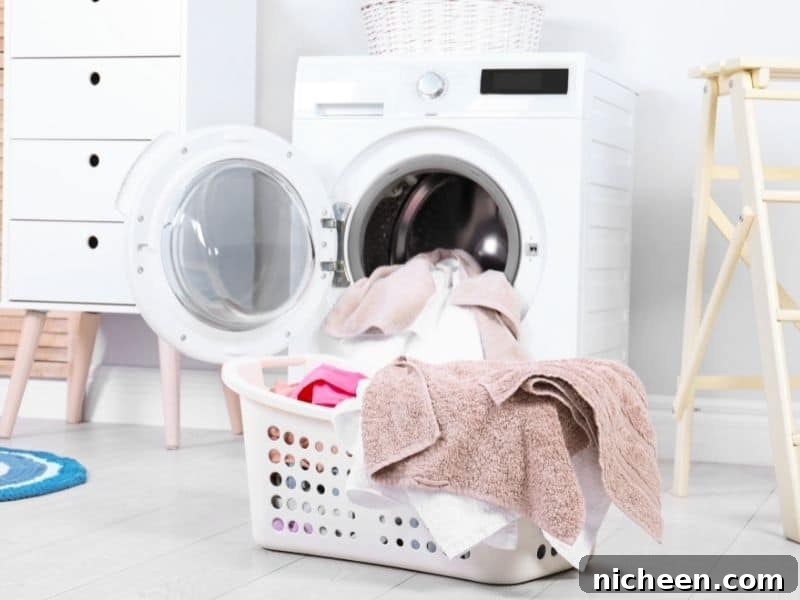
Laundry can feel like an endless chore, but with a consistent routine and a few reliable techniques you can get clothes clean, keep them looking great, and make the whole process faster. Below is a straightforward, SEO-friendly guide covering everything from sorting laundry and choosing washer settings to drying and scent tips.
Follow these steps to learn how to do laundry efficiently—whether you’re doing your own wash or teaching someone else.
How to Wash Clothes
Doing laundry well is more than tossing garments into a machine. Small choices—how you sort, pretreat, and select settings—have a big impact on how clothes look and last. Use the guidelines below to wash clothes correctly every time.
How to Sort Laundry
Sorting is one of the most important steps in doing laundry properly. Sorting helps prevent color transfer, protects delicate fabrics, and ensures each item gets the correct wash treatment. Common sorting methods include:
- Color. Separate laundry into whites, darks, and colors. Whites and very light items should be washed together; darks (black, navy, brown, gray) together; and brightly colored items in a third group to prevent dye transfer.
- Fabric type. Group similar fabrics so each load can use the correct cycle. Towels and sturdy cottons can handle a regular wash, while delicate fabrics like silk or linen benefit from a gentle or permanent-press cycle.
- Soil level. Wash heavily soiled or muddy items separately to avoid spreading dirt and to allow for stronger cleaning when needed.
- Size. Separate bulky items such as blankets and heavy coats from small items. Washing large and small pieces together can prevent even cleaning and put strain on the machine.
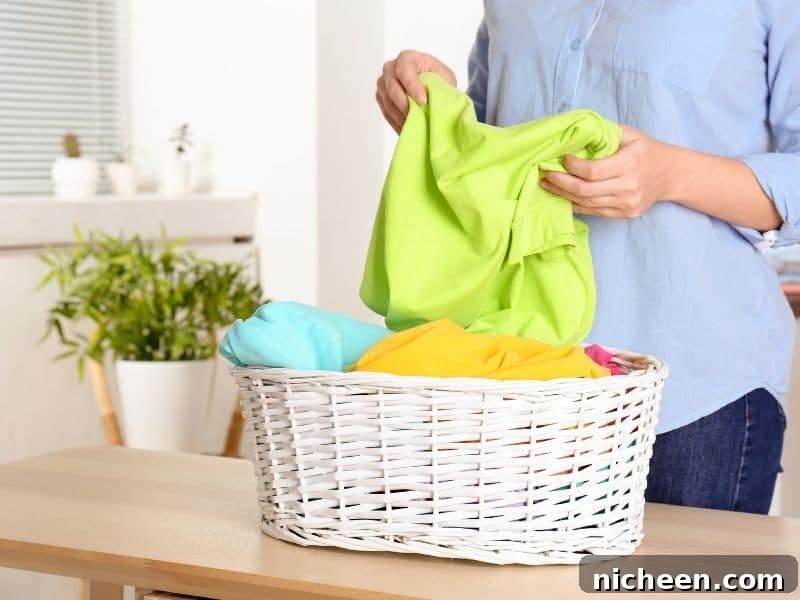
Should I Turn Clothes Inside Out When Washing?
Yes—turn items that fade or trap odors inside out before washing. Dark jeans, printed T-shirts, and many workout garments benefit from being washed inside out to protect color and printed designs and to reduce pilling on outer surfaces.
Using the Washer
Before loading the machine, check garments for stains and pretreat any spots with a suitable stain remover or a little detergent worked in gently. Load the washer without overfilling and add detergent according to the product instructions and your machine’s dispenser guidelines. If you use bleach or fabric softener, follow the machine’s recommendations for adding them to the proper compartment.
Washer Settings
Select a washer setting based on fabric type and soil level. Typical settings include:
- Normal or Regular: for durable fabrics like jeans, cottons, and towels—especially when moderately or heavily soiled.
- Permanent Press: for items that wrinkle easily, such as dress shirts, slacks, rayon, and linen blends.
- Delicate: for fine fabrics like lingerie, hosiery, or embellished items that need gentle handling.
How to Dry Clothes
Once the wash cycle finishes, drying is the next key step. Air drying is gentler on many fabrics and helps maintain shape and color. Lay sweaters and delicate items flat to dry to avoid stretching. Other items can go into the dryer on the appropriate setting.
Always clean the lint trap before running the dryer. Then choose a dryer setting that matches the fabric:
- Regular: for sturdy fabrics like jeans, towels, and heavy cottons.
- Permanent Press: for wrinkle-prone fabrics, dress shirts, and bed linens.
- Delicate or Low Heat: for fine or shrink-prone fabrics and items labeled “tumble dry low.”
Laundry Tips and Tricks
These practical laundry tips will help you get better results, extend the life of your clothing, and make laundry faster and less stressful.
- Don’t pour detergent directly onto clothing. Use the dispenser or add detergent when the drum has water so it disperses evenly through the load.
- Avoid overloading the washer or dryer. Overfilling prevents proper agitation and rinsing in the washer and leads to wrinkled, under-dried clothes in the dryer.
- Fold or hang clothing immediately after drying. Removing items promptly reduces wrinkles and often eliminates the need to iron.
- Zip zippers and close fasteners before washing. This prevents snags and protects other garments in the load.
Tip: Run full loads when practical to save energy and water, but don’t overfill the machine—items need space to move for a thorough clean.
More Household Cleaning Guides
How to Clean your BBQ Grill
How to Clean Your Dishwasher
Best Way to Clean Baseboards and Trim
How to Clean Your Oven
How to Clean Your Refrigerator
How Do You Make Clothes Smell Good?
Fresh-smelling laundry is a common goal. A few simple habits will help your clothes smell clean and pleasant after washing and drying.
- Keep your washer clean. Regularly clean and maintain your washing machine to prevent build-up and odors that transfer to clothes.
- Transfer clothes to the dryer promptly. Leaving damp clothes in the washer can encourage mildew; move items to the dryer as soon as the cycle finishes.
- Use fabric softener or in-wash scent enhancers. Follow label directions to add scent and softness during the wash.
- Add dryer sheets. Placing a dryer sheet in the dryer adds a fresh scent and helps reduce static for many loads.

You can FOLLOW US on FACEBOOK, TWITTER, INSTAGRAM, and PINTEREST to discover more tips on homemaking, simple recipes, crafts, and DIY projects.