
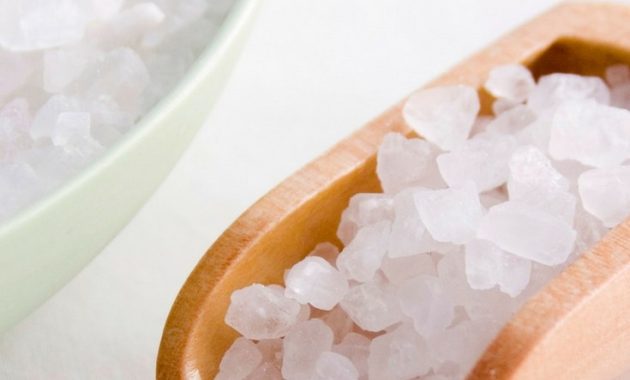
Wondering about the benefits of sugar scrubs versus salt scrubs? This article explains the pros and cons of each, and when to use one over the other for the best results.
This post contains affiliate links.
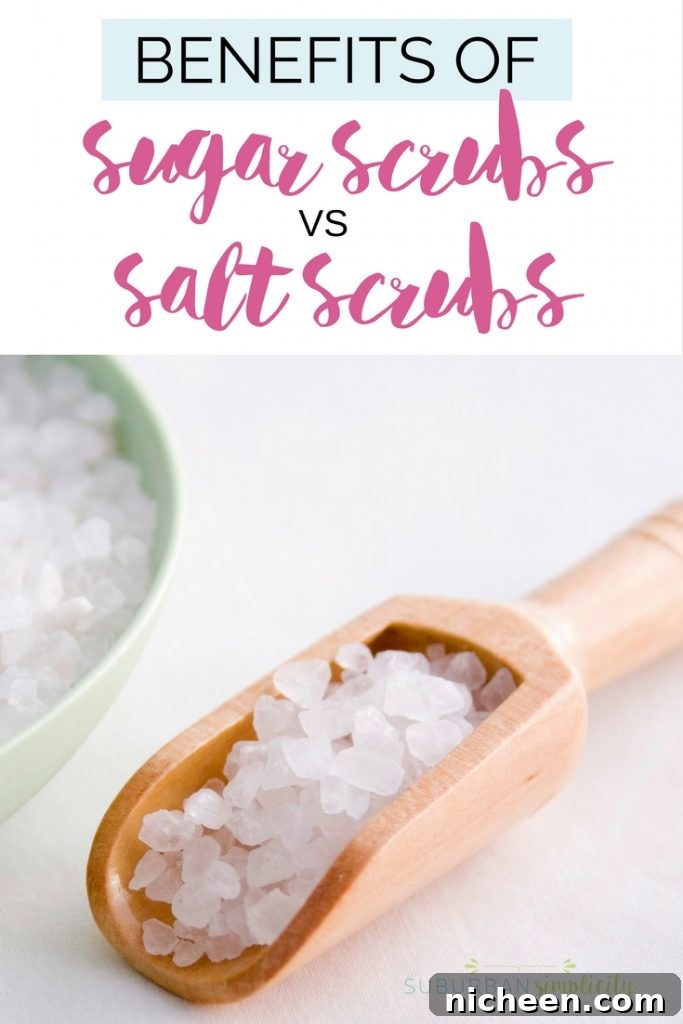
Benefits of Sugar Scrubs vs Salt Scrubs
Both sugar and salt scrubs are excellent exfoliants that help remove dead skin cells and reveal softer, brighter skin. Choosing between a sugar scrub and a salt scrub depends on your skin type, the area you want to treat, and the results you’re aiming for. Below we outline the key differences, benefits, and practical tips so you can choose and use them safely and effectively.
Sugar is Gentler
Sugar granules are generally smaller and dissolve more quickly than salt crystals. That makes sugar scrubs a gentler option, especially for sensitive or thin skin. The finer texture reduces the risk of small abrasions or irritation, so sugar scrubs are often recommended for delicate areas and facial use. If you have rosacea, easily irritated skin, or a tendency to redness, sugar is usually the safer choice.
How to use sugar scrubs: apply a small amount to damp skin and massage in light, circular motions using minimal pressure. Rinse with lukewarm water and pat the skin dry. Always follow with a moisturizer to lock in hydration.
Sugar Scrubs Work Well for the Face
Because the particles are finer, sugar scrubs are better suited for facial exfoliation than coarse salts. Use a gentle touch and avoid scrubbing over active breakouts, open wounds, or inflamed skin. For facial care, opt for scrubs formulated for the face or a homemade sugar scrub made with mild carrier oils and minimal fragrance to reduce the chance of irritation.
Natural Sugars Can Be Less Drying
When made from natural cane sugars or unrefined sugars, sugar scrubs may retain trace minerals and naturally occurring glycolic acid. Glycolic acid is an alpha-hydroxy acid found in many gentle exfoliants and can help encourage cell turnover. Choosing scrubs with natural, nourishing oils (like jojoba, sweet almond, or coconut oil) and minimal synthetic additives helps prevent the drying effects associated with harsh exfoliation.
Salt is Best for Thick, Calloused Skin
Salt scrubs are coarser and more abrasive, which makes them effective for tackling rough, thickened skin on areas such as elbows, knees, heels, and the soles of the feet. The texture helps lift stubborn dead skin and can leave these areas feeling smoother after treatment. However, because salt is abrasive, it should not be used on the face or on sensitive, thin, or inflamed skin.
Salt May Help Reduce Bacteria and Inflammation
Salt has natural antimicrobial properties that can help reduce surface bacteria when used properly, and many people find mineral-rich salts soothing in a soak. Epsom salt soaks are commonly used to relax muscles and reduce tension after activity. Certain mineral salts, like those sourced from the Dead Sea, contain trace minerals that many users find beneficial for skin comfort when used in baths or salt soaks rather than aggressive scrubbing.
Use Each Scrub Appropriately
To maximize benefits and avoid irritation, choose the scrub type that matches your purpose: sugar for gentle facial and body exfoliation, salt for tougher calluses on the body. Follow these safety tips:
- Do not scrub broken, inflamed, or sunburned skin.
- Avoid aggressive pressure—let the scrub particles do the work.
- Limit exfoliation to about once a week for most skin types; adjust based on your skin’s response.
- After scrubbing, rinse thoroughly and apply a nourishing moisturizer while skin is still slightly damp.
- Patch-test new homemade or store-bought scrubs on a small area before first full use.
DIY and Ingredient Tips
If you make your own scrub, use a stable carrier oil (such as jojoba, sweet almond, or fractionated coconut oil) and keep the recipe simple—sugar or salt plus oil, optional essential oil in small amounts for fragrance, and an added antioxidant ingredient like vitamin E if desired. Store homemade scrubs in a clean, airtight container and avoid adding water to jars to prevent bacterial growth.
You May Also Like:

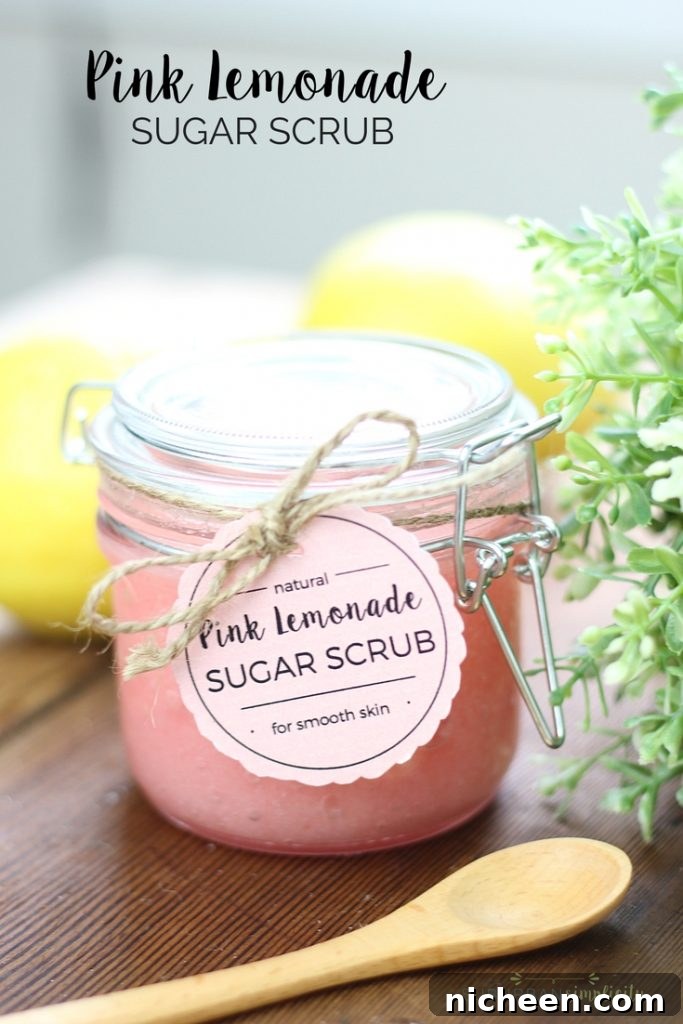
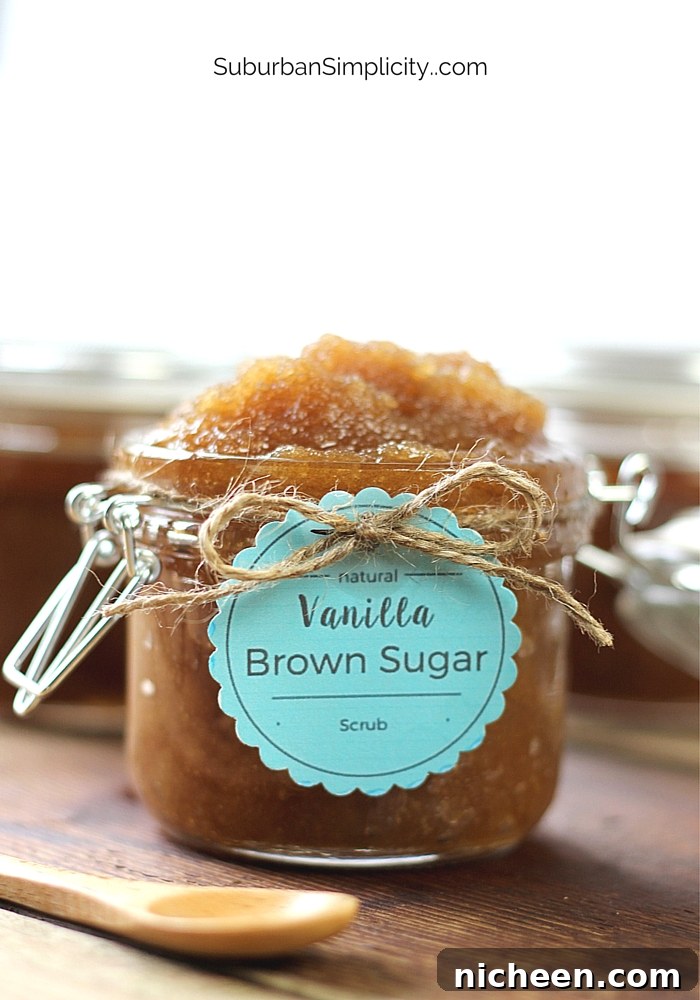
In summary: choose sugar scrubs for gentleness and facial use, and salt scrubs for tougher, calloused skin on the body. Use scrubs responsibly, moisturize after exfoliation, and opt for natural ingredients whenever possible to keep your skin healthy and glowing.