
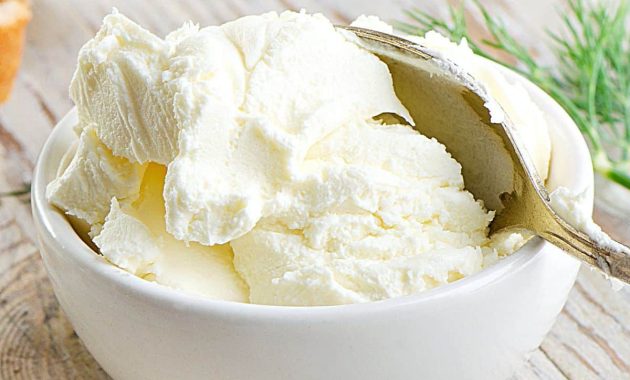
All the best tips and tricks for How to Freeze Cream Cheese to get the best results and reduce waste.

Cream cheese is the soft, tangy dairy staple perfect for spreading on a morning bagel or for creating a silky cheesecake. Its versatility also makes it useful in pasta sauces, desserts, soups, dips and many baked dishes. Because it’s such a handy ingredient, it’s useful to know how to store and preserve it to avoid wasting food and to save money.
One drawback of cream cheese is its relatively short shelf life. Freezing can be an effective way to extend its usability, especially when you have more than you can use before it spoils.
PRO TIP: Unopened cream cheese can usually be stored in the refrigerator for up to one month after the sell-by date on the package. This can help you delay freezing until you need to.
Can you freeze cream cheese?
Yes, you can freeze cream cheese, but expect a change in texture. Fresh cream cheese is smooth and creamy; freezing causes the water in the cream to form ice crystals. When thawed, those crystals leave the cheese slightly grainy, crumbly, or gritty instead of silky.
Because of that texture change, frozen and thawed cream cheese is not ideal for use as a simple spread on bagels or toast. However, it still works very well when incorporated into recipes—baked goods, cooked sauces, dips, or fillings—where texture changes are less noticeable.
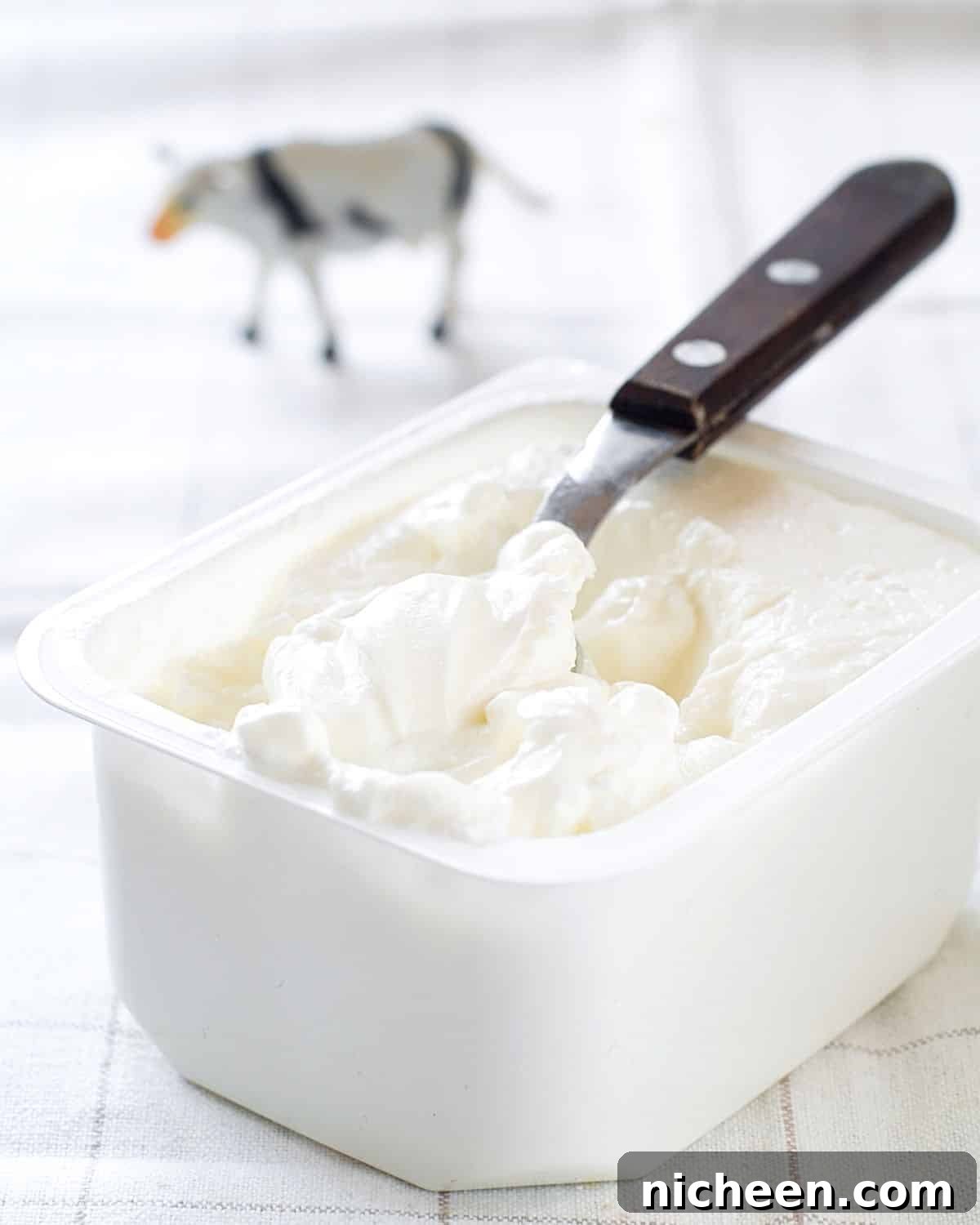
How long can you freeze cream cheese
Properly packaged in an airtight container or freezer bag, cream cheese can be frozen for up to two months with good quality retention. Beyond that period, flavor and texture may deteriorate. Keep portions small and labeled so you can use them within the recommended time frame.
The best way to freeze cream cheese
Because cream cheese does not keep long in the refrigerator, freezing can be a practical alternative to avoid waste. The key to good results is airtight packaging to prevent freezer burn and odor transfer.
PRO TIP: Always check the expiration date before freezing and only freeze fresh or recently opened cream cheese for best results.
Here’s how to freeze for the best results
If the package is unopened, you can place it directly in the freezer in its original foil and cardboard packaging; for extra protection, tuck the package into a freezer bag or airtight container. If the package has been opened, transfer leftover cream cheese to an airtight container or a heavy-duty freezer bag, pressing out as much air as possible before sealing. For best convenience, divide cream cheese into smaller portions so you can defrost only what you need.
Label each container with the date so you can track how long it’s been frozen. Properly sealed cream cheese will keep well for up to two months.
PRO TIP: Portion cream cheese into tablespoon or half-cup measures before freezing to make thawing and portion control easier for recipes.
How to thaw
When ready to use, move the frozen cream cheese from the freezer to the refrigerator and let it thaw slowly overnight or for several hours. Thawing in the fridge maintains a safe temperature and helps preserve flavor.
PRO TIP: If you need to thaw quickly, keep the cream cheese sealed in an airtight bag and submerge it in warm water, changing the water as it cools until thawed. Avoid leaving cream cheese at room temperature for extended periods.
How to make frozen cream cheese creamy again
While thawed cream cheese may be somewhat grainy, several techniques can restore much of its smoothness so it’s suitable for many recipes.
Whisk it to make it creamy
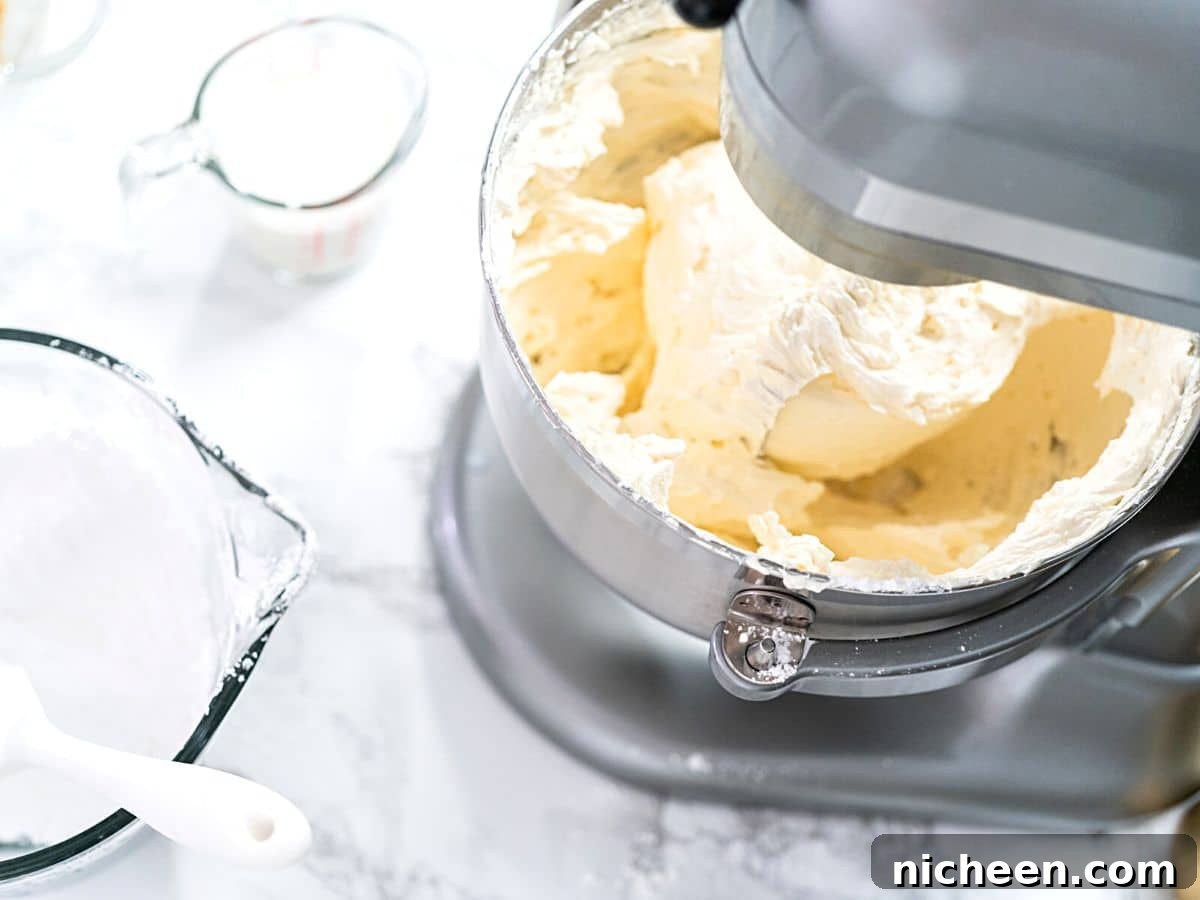
Bring the thawed cream cheese close to room temperature, then whisk vigorously by hand or use an electric mixer with a whisk attachment. Whisking helps break down the graininess and reincorporate moisture for a smoother texture that works well in batters, frostings and dips.
Use the microwave method
If you’re short on time, place the thawed cream cheese in a microwave-safe bowl and heat in 10-second intervals, stirring between each burst until smooth. Be careful not to overheat; just warm enough to loosen the texture so you can mix it smooth.
Warm it on the stove
You can also gently warm thawed cream cheese using a double boiler. Place the cheese in a heatproof bowl set over simmering water and stir until smooth. This controlled heat helps smooth the texture without separating the fats.
Store thawed cream cheese in the refrigerator in an airtight container and use within 3 to 7 days after opening.
Can you freeze cream cheese frosting?
Yes—cream cheese frosting freezes well thanks to its high fat content. Store it in an airtight container for up to three months. Thaw it in the refrigerator overnight before using, and re-whip or stir to restore a spreadable consistency.
You can also freeze a whole cake or cupcakes already frosted with cream cheese frosting; wrap them carefully to prevent freezer burn and thaw in the refrigerator before serving.

Recipes to use frozen cream cheese
- Pumpkin dip
- Cheese ball with blue cheese
- Slow-cooker buffalo mac and cheese
Frozen and thawed cream cheese performs very well in cooked or baked dishes where texture changes are masked by other ingredients. Use it in dips, fillings, casseroles, soups and most baking recipes without worrying about noticeable flavor loss.
With these simple tips, you can confidently freeze cream cheese to extend its shelf life, reduce waste, and keep a ready supply for recipes. Remember that while thawed cream cheese is not ideal for spreading, it remains flavorful and useful for cooking and baking.