
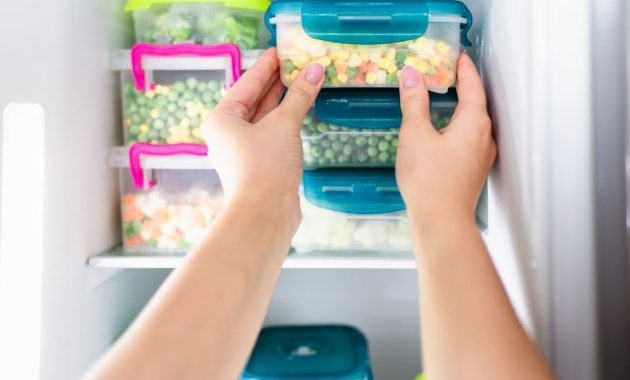
Learn what freezer burn is and how to prevent freezer burn before it happens. These practical tips will help your meat, vegetables, and even ice cream keep their flavor and texture longer, so your frozen food tastes better and you get more value from your grocery budget.
Filling your freezer with sale items or buying in bulk is a smart way to save money when feeding your family, especially if you plan meals in advance.
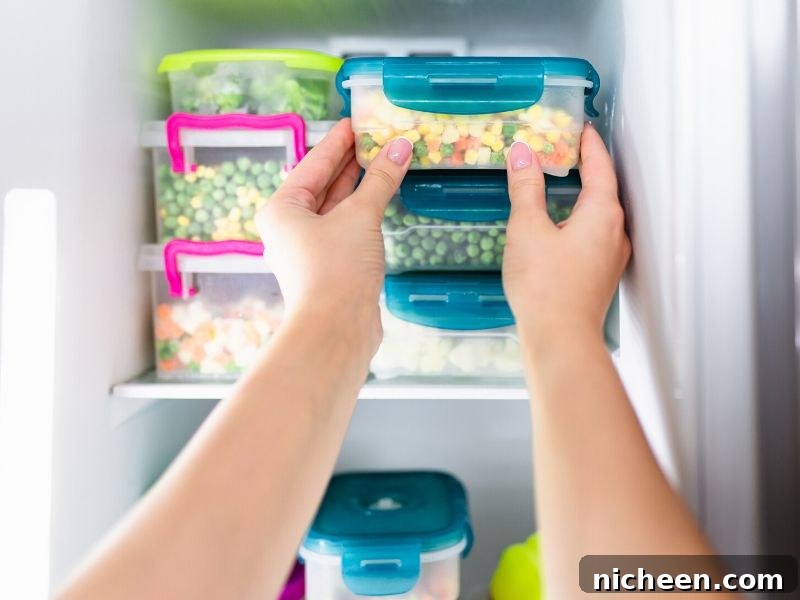
Because many households stock up and freeze food for weeks or months, freezer burn is a common problem. To protect your purchases and keep meals tasting their best, it helps to understand what freezer burn is, what causes it, and the most effective ways to prevent it.
What is Freezer Burn?
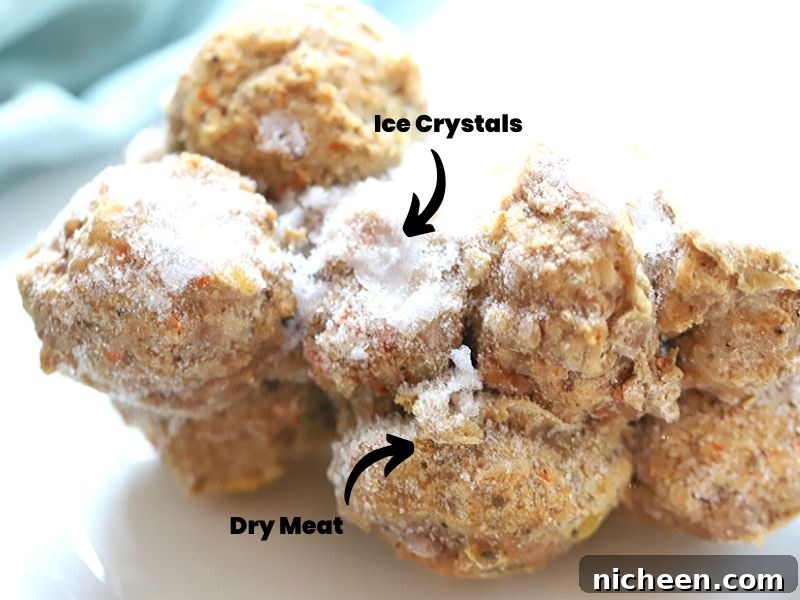
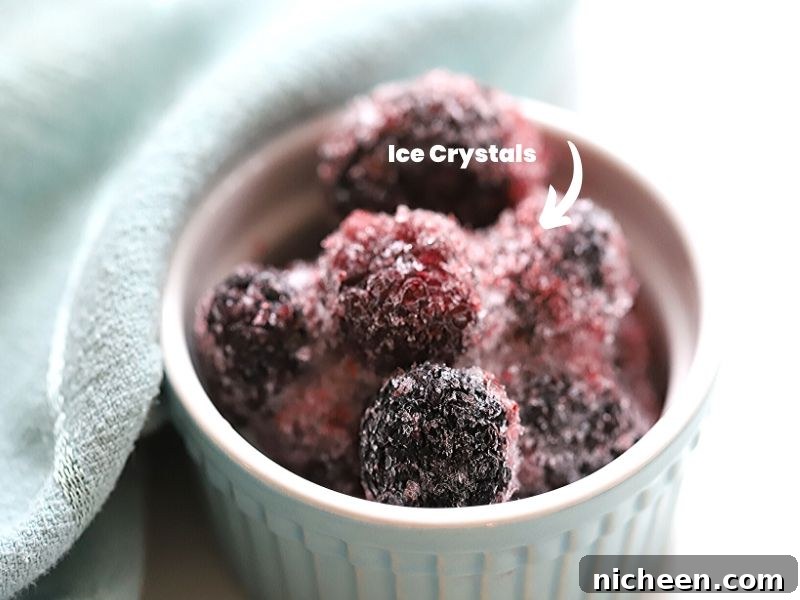
Freezer burn occurs when frozen food loses moisture and becomes oxidized after exposure to cold, dry air. It is not a food safety issue, but rather a quality problem: freezer-burned food develops dry, discolored patches and ice crystals that affect flavor, texture, and appearance.
You can usually spot freezer burn by color changes and crystal formation. For example, beef or pork can turn a leathery brown, while chicken and fish may show whitish or bright spots. These changes are cosmetic and can be trimmed away, though the taste and texture may be compromised.
What Causes Freezer Burn?
The primary cause of freezer burn is exposure to air. When air reaches food in the freezer, it draws moisture out, causing dehydration and oxidation. This process creates dry spots and ice crystals and degrades the look, taste, and texture of meats, produce, and prepared dishes.
Best Freezer-Friendly Recipes
Try recipes that freeze and reheat well: Crockpot salsa verde chicken, beef enchilada casserole, and hearty tater-tot casserole freezer meals are all freezer-friendly options for busy weeks.
Best Ways to Prevent Freezer Burn
Below are practical, easy-to-follow methods to prevent freezer burn and keep food fresh in the freezer.
Use a Vacuum Sealer
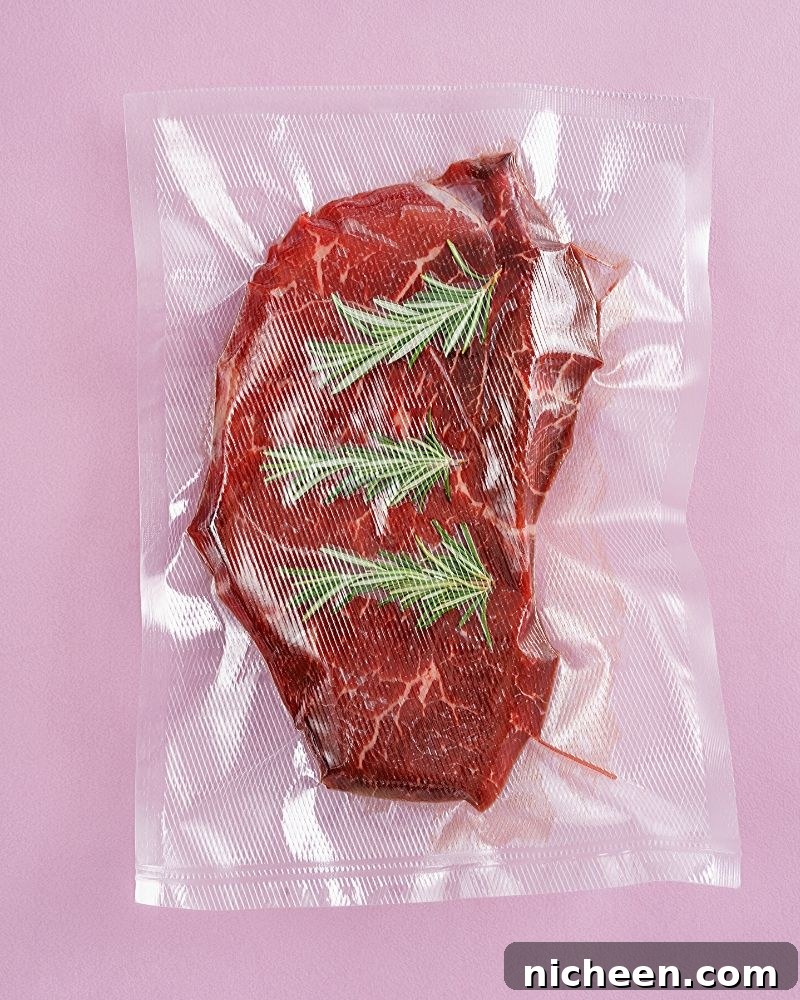
A vacuum sealer is one of the most effective tools to prevent freezer burn because it removes air and seals the food from exposure. Vacuum sealing stops ice crystals from forming and helps food retain its moisture and texture for longer.
Remove as Much Air as Possible
If you don’t have a vacuum sealer, use thick freezer bags and press out all the air before sealing. A useful trick is to submerge the bag (with the top open) in a bowl of water; water pressure pushes air out so you can seal the bag tightly.
Cool Food Before Freezing
Avoid placing hot or warm food directly into the freezer. Doing so can raise the freezer’s internal temperature and affect surrounding items. Cool hot dishes in the refrigerator until chilled, then transfer them to the freezer to maintain stable conditions.
Wrap Meats Tightly
You can protect meat without plastic by wrapping it tightly in butcher paper or freezer paper. For extra protection, wrap items in foil or plastic wrap before placing them into an airtight container or bag. Small or irregular items can be frozen individually on a baking sheet first, then stored in jars or bags once frozen.
Keep the Freezer at the Correct Temperature
Maintain a freezer temperature of 0°F (-18°C) or below. This preserves quality and prevents bacterial growth. If your freezer is located in an area that experiences wide temperature swings, such as a garage, consider keeping a refrigerator/freezer thermometer inside to monitor temperatures consistently.
Maintain an Even Temperature
Avoid frequent or prolonged door openings that create temperature fluctuations. A lock or simple reminder system can help prevent the freezer from being left open accidentally. Consistent temperature and limited exposure to warm air are key to slowing dehydration and freezer burn.
Freeze in Small Batches
Freezing a large amount of warm food all at once can raise the freezer’s internal temperature and affect existing items. Freeze in smaller batches so foods freeze quickly and uniformly, reducing the chance of ice crystal formation.
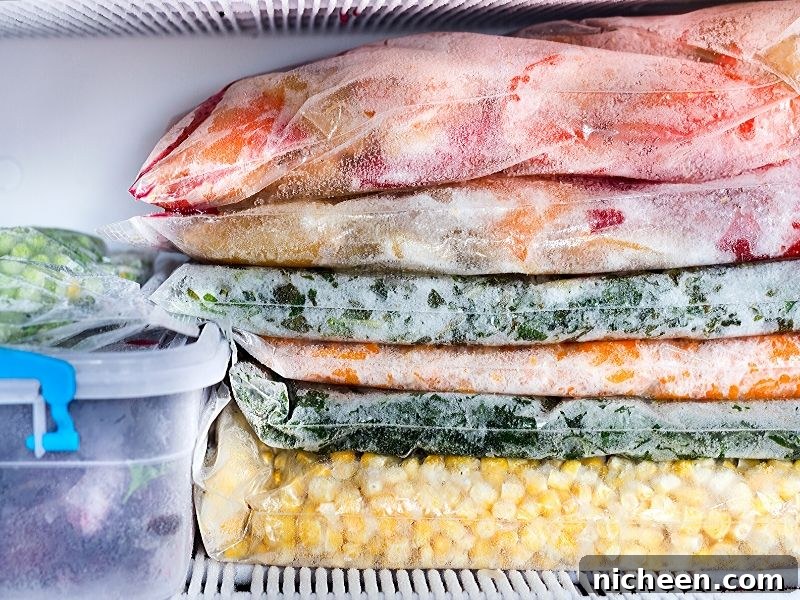
Keep Your Freezer Properly Filled
A freezer that’s about three-quarters full operates more efficiently. Frozen items help maintain cold temperatures, reducing warm air pockets. But don’t overpack—items still need space for air to circulate. If you have large empty spaces, fill them with bottles or jugs of water to help stabilize temperature.
Label and Date Everything
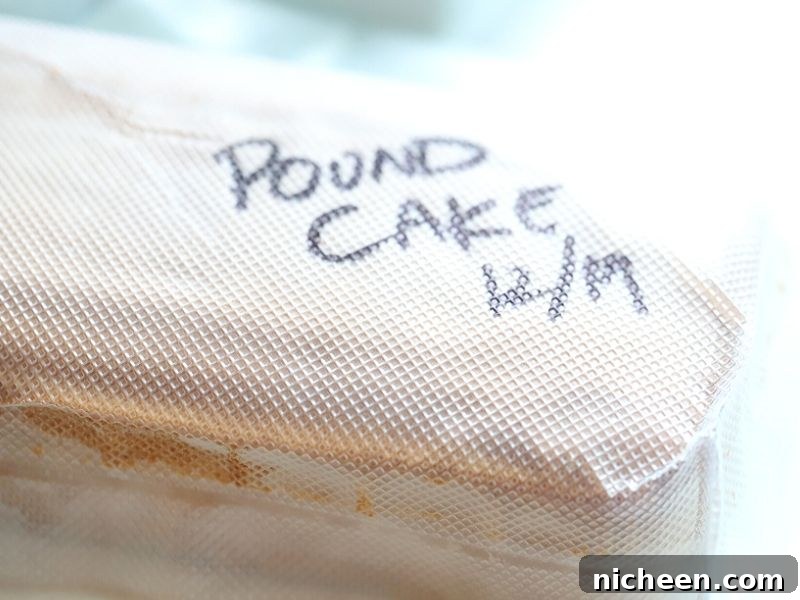
Labeling food with contents and date makes it easy to use older items first and helps prevent extended storage that can lead to freezer burn. Clear labeling reduces waste and keeps your freezer organized.
Flash Freeze Small Items
For berries and other small pieces, spread them single layer on a parchment-lined baking sheet and freeze until solid. Once individually frozen, transfer them to airtight containers or bags. This prevents clumping and reduces ice-crystal formation that contributes to freezer burn.
Can You Eat Food with Freezer Burn?
Yes. Freezer-burned food is safe to eat if it has been stored properly and kept frozen, but the quality is reduced. Trim away discolored or dry areas before or after cooking. Slow-cooking can sometimes help improve the texture and flavor of slightly freezer-burned meats.
Why Might Freezer Burn Keep Happening?
Most of the time, freezer burn is caused by how food is packaged and stored rather than a faulty freezer. Focus on removing air from packaging, keeping the freezer reasonably full but not overcrowded, and minimizing temperature fluctuations to reduce recurring freezer burn.
How to Remove Freezer Burn Taste
If only a small area shows discoloration or crystals, trim those parts off and cook as usual. For heavily freezer-burned items that are thoroughly dried and oxidized, flavor and texture may be permanently altered and replacement might be the best option.
Preventing Freezer Burn on Specific Foods
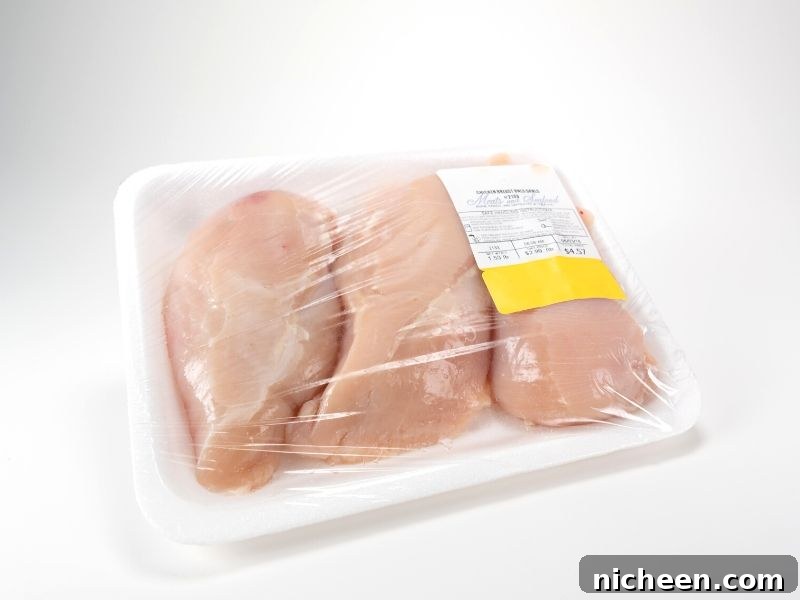
Meat: Remove meat from store packaging, wrap tightly, and vacuum seal or use heavy-duty freezer bags with air removed. Vegetables and Fruit: Learn which produce benefits from blanching before freezing. Flash freeze individual pieces and store in airtight containers. Casseroles: Assemble in an ovenproof pan, cover tightly with plastic wrap and foil, label, and freeze. Ice Cream: Press waxed paper or plastic wrap directly onto the surface to eliminate air pockets, replace the lid, and return to the freezer to prevent ice crystals and surface drying.
Troubleshooting Freezer Burn
- Check the door seal and closure – Even a slightly ajar door can introduce moisture and frost. Ensure the door closes fully and the gasket is in good condition.
- Handle containers gently – Rough handling can puncture bags or tear wrapping, exposing food to air.
- Place a container of water inside – An open container of water can raise humidity slightly and slow dehydration inside the freezer; refresh seasonally.
- Choose the right storage materials – Use thick, freezer-safe bags or rigid containers that seal tightly to keep air away from food.
Labeling, proper wrapping, and stable temperatures are the simplest and most effective defenses against freezer burn. With a few small habits—vacuum sealing or tightly wrapping, flash freezing small items, and keeping the freezer at the right temperature—you can keep your frozen food tasting fresher for longer.
Follow the tips above to maximize the life and flavor of the food in your freezer and reduce waste.