
The complete guide to storing and freezing fresh blueberries, with practical tips to keep them tasting their best for longer.
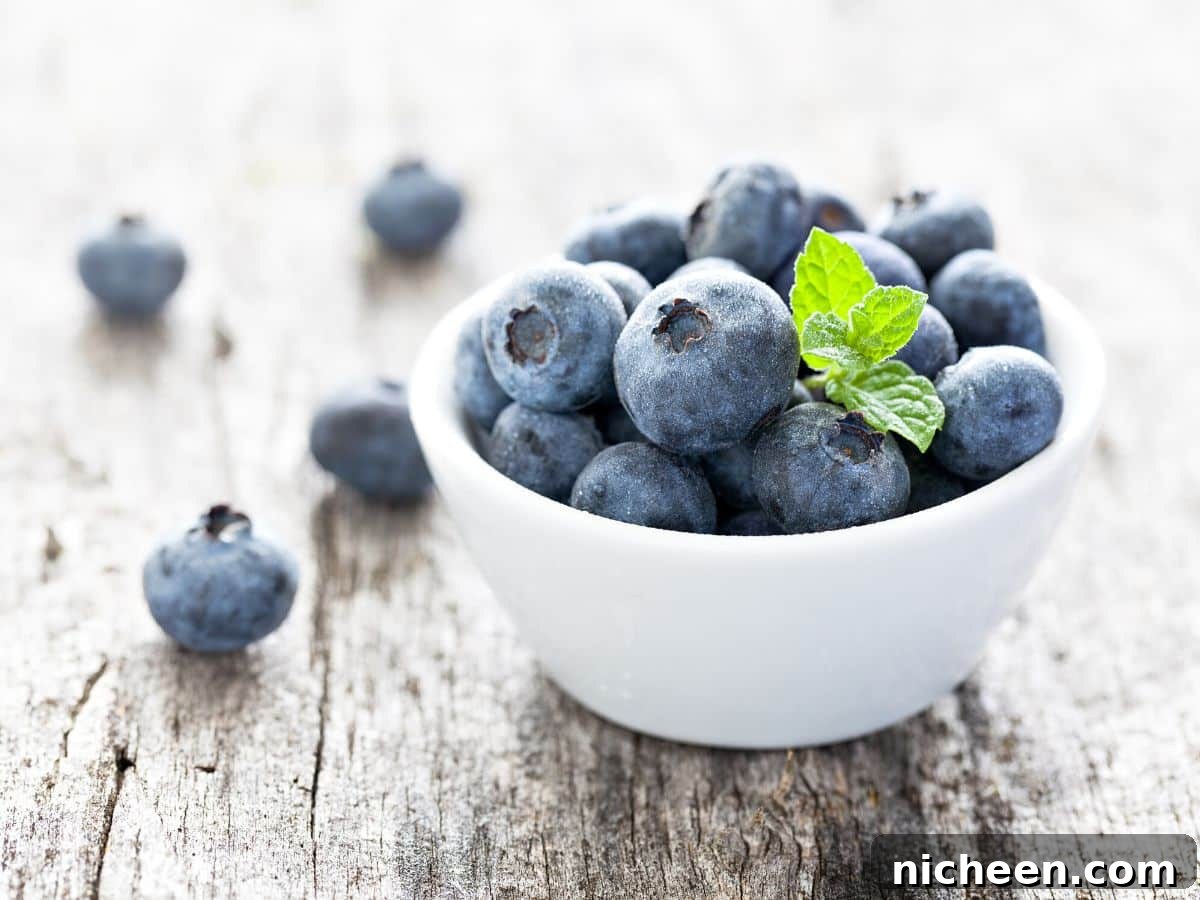
Fresh-picked blueberries are one of summer’s greatest treats—bright, sweet, and versatile. Whether you enjoy them on salads, ice cream, or in baked desserts, it’s worth knowing how to store and freeze them properly so they don’t go to waste.
This guide covers how to choose ripe berries, storage techniques for the refrigerator and freezer, shelf life expectations, and a simple method to extend freshness.
Choose ripe blueberries when picking
When you pick blueberries at a farm, market, or grocery store, look for berries that are fully blue. Depending on the variety they may have a light gray-blue bloom—that powdery coating is natural and helps protect the fruit.
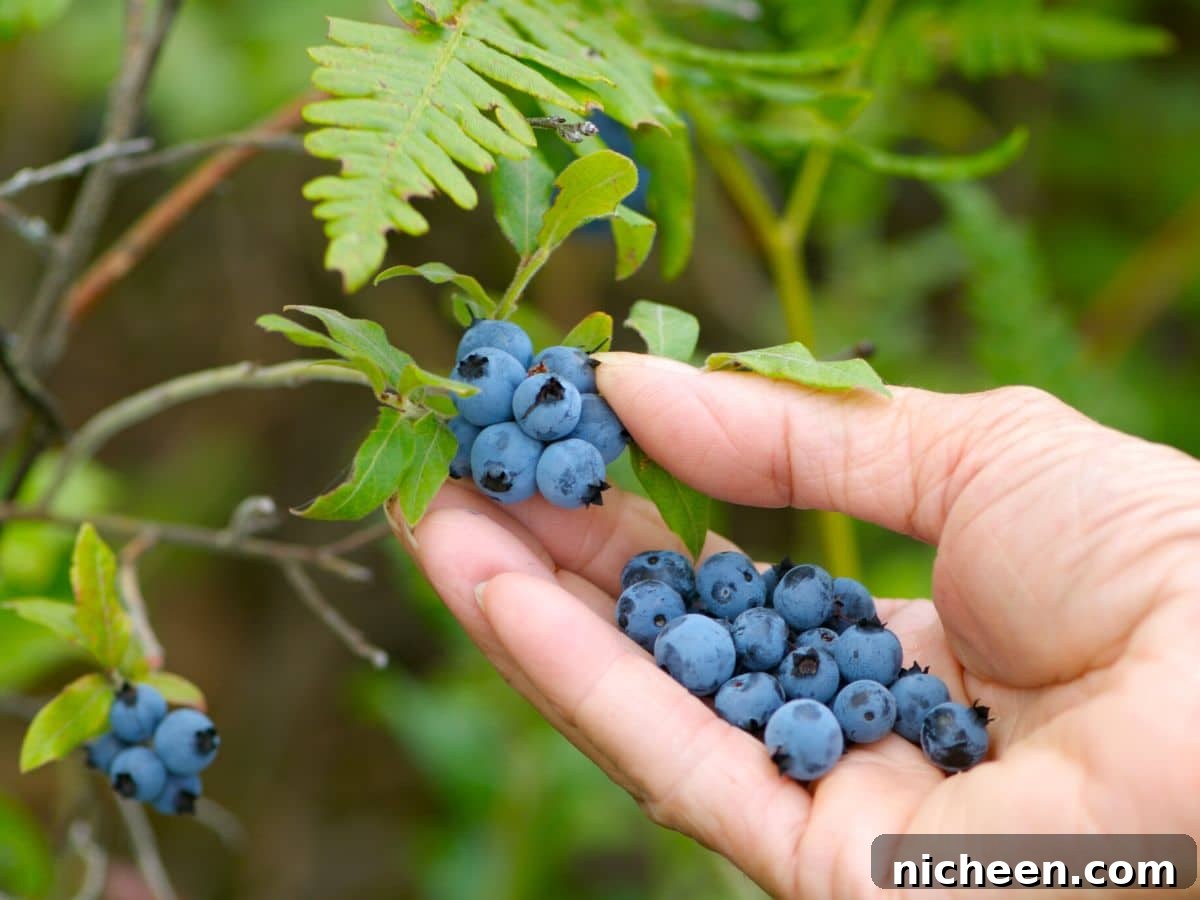
Ripe berries should come off the stem easily without tugging. Avoid red, underripe, shriveled, or split fruit—set those aside before storing.
Storing blueberries in the refrigerator
STEP 1 – Sort
Spread the berries in a single layer on a sheet pan or tray to inspect them. Remove stems and discard any damaged or moldy berries. Sorting now prevents spoilage from spreading.
Moisture is the enemy of stored berries, but so is stagnant air. The goal is to keep them dry while allowing some airflow.
Do not wash blueberries before refrigerating.
STEP 2 – Store
Make sure berries are at room temperature and completely dry before placing them in a container. Use a shallow plastic or glass container and line it with paper towels to absorb any excess moisture. Arrange berries in a single or shallow layer to avoid crushing—aim for about an inch to an inch and a half of fruit.
PRO TIP: Keeping layers shallow prevents the weight of the top berries from crushing those below.
Keep them cold
Store the sealed container in the coldest part of the refrigerator—the middle to back shelves are usually better than the high-humidity crisper drawer. Properly stored blueberries will stay fresh about 10–14 days.
Only rinse berries right before eating or cooking to preserve their natural protective coating and prevent sogginess.
Freezing blueberries for long-term storage
Freezing is the best way to preserve blueberries if you can’t use them within two weeks. For frozen storage, you should wash them first and then freeze so they are ready to use straight from the freezer.
Follow these steps to freeze berries individually and avoid clumping:
- Rinse berries gently in cool water in a colander, picking out any damaged fruit.
- Spread the berries in a single layer on a sheet pan lined with a paper or clean kitchen towel and let them dry fully.
- Place the sheet pan uncovered in the freezer for a couple of hours to freeze each berry separately—this is flash-freezing.
Once frozen solid, transfer the berries to airtight freezer bags or containers. Remove as much air as possible, label with the date, and return to the freezer. Properly frozen blueberries can be used for smoothies, baking, sauces, jams, and more without sticking together.
Shelf life: how long do blueberries last?
- Room temperature: Ripe berries left on the counter will only last a day or two before spoilage.
- Refrigerator: Stored correctly in the fridge, blueberries will remain fresh for about two weeks.
- Freezer: Frozen blueberries keep best for up to about ten months, especially in a consistently cold deep freezer.

Extend their life with a vinegar wash
Blueberries can carry surface mold spores and bacteria that cause decay. A brief vinegar bath can reduce these organisms and help berries last longer in the fridge.
- Fill a large bowl with cold water and add about one cup of white vinegar.
- Submerge the berries and soak for 15 minutes.
- Drain and rinse them quickly under cold water, then spread out to dry completely.
PRO TIP: Make sure the berries are fully dry before storing; any retained moisture will reduce shelf life.
Ideas for using fresh blueberries
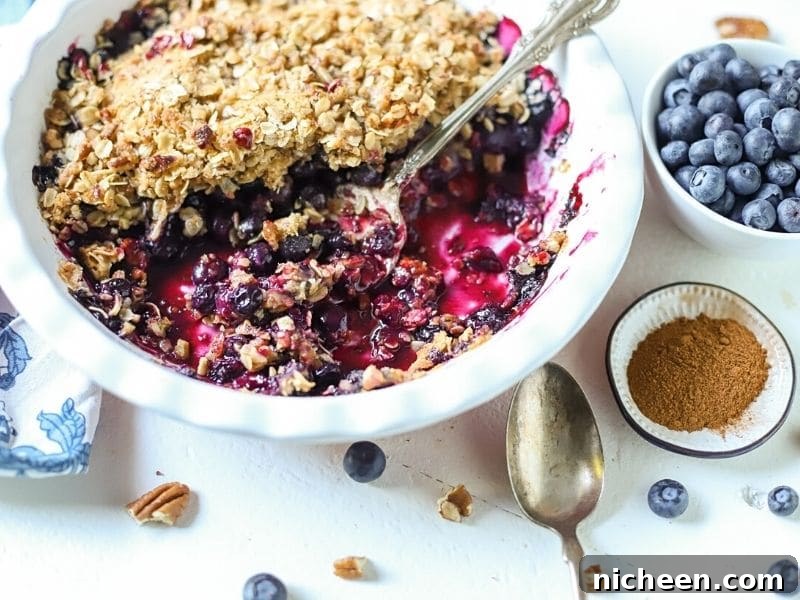
Fresh and frozen blueberries are perfect in smoothies, baked goods like crisps and tarts, oatmeal, salads, sauces, and jam. They also make a quick, nutritious snack on their own.
With the right handling—selecting ripe fruit, avoiding early washing, controlling moisture, and using flash-freezing—you can enjoy blueberries at their best for weeks or months after harvest.