
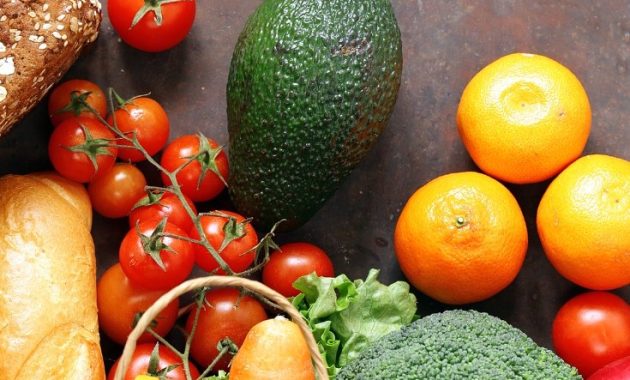
Follow these practical tips for what food to buy where to get the best price and the freshest tasting ingredients.
What Food to Buy Where: Buyers Guide
Deciding where to buy each type of food can save you time, money, and frustration while improving the flavor and quality of the meals you prepare. This guide explains the best places to purchase common groceries and staples so you get the freshest produce, the best value on pantry items, and sensible tips for shopping smarter.
By matching the food you buy to the right store—supermarket, club warehouse, farmer’s market, or online—you’ll make better choices for taste, budget, and convenience. A little planning goes a long way.
Use Meal Planning to Maximize Value
One of the easiest ways to reduce waste and lower grocery costs is to plan meals in advance. Meal planning helps you shop with purpose, avoid impulse buys, and use everything you purchase before it spoils. A simple weekly plan that lists breakfasts, lunches, dinners, and snacks will make shopping faster and keep your pantry organized.
What to Buy at the Supermarket
Your neighborhood supermarket is best for everyday essentials and items you need quickly. Buy dairy (milk, yogurt, butter), basic produce (apples, bananas, lettuce), and short-shelf-life items like fresh bread at the supermarket. It’s also a reliable place for boxed and canned pantry staples—flour, sugar, pasta, cooking oil, and canned goods—especially when store-brand or generic versions are available for a lower price.
Tip: Bring reusable bags. Many stores offer small discounts for each bag you bring, and reusable bags reduce waste.
Suggestion: Use supermarket produce for everyday meals and quick recipes, such as simple salads, smoothies, or roasted vegetables.
What to Buy at Club/Warehouse Stores
Warehouse clubs like Costco and Sam’s Club offer the best per-unit prices for bulk purchases. Buy long-lasting pantry staples—rice, pasta, cereal, paper goods, and cooking oil—in bulk when you have the storage space and will use them before they expire. Household items such as paper towels, toilet paper, cleaning supplies, and sponges are often much cheaper by the case.
Club stores also carry larger packages of meat and sometimes organic produce; these can be a good value if you can portion and freeze extras. Non-food essentials like diapers and pet food are sensible bulk buys as well.
Tip: Only purchase bulk items you will realistically use and can store. Divide large meat or bread purchases into meal-sized portions and freeze them to extend shelf life.
Suggestion: Buy bulk cereal or granola here and portion it into containers for easy breakfasts and snack bars at home.
What to Buy at the Farmer’s Market
Farmer’s markets are the best source for locally grown fruits and vegetables picked at peak ripeness. Buying seasonal produce directly from the grower usually provides superior flavor and higher nutrient density compared with off-season supermarket produce.
Other excellent purchases at farmer’s markets include local honey, artisanal preserves, fresh-baked goods, and sustainably raised meats when available. Prices can be higher, but your money supports local farmers and often results in fresher, tastier food.
Tip: Talk to growers about storage recommendations and simple recipes—farmers can offer great tips on how to prepare their produce for best results.
What to Buy on the Internet
The internet is a useful resource for specialty items and bulk or hard-to-find ingredients. Order rare ethnic ingredients, specialty spices, baking decorations, or bulk supplements online when you can’t find them locally. Online shopping is also convenient for non-perishables that ship well, such as protein powder, specialty flours, and dry goods.
Avoid buying fresh produce or perishable items online unless you use a reputable service with reliable delivery and proper packaging. When you can, pick perishables in person to check freshness and quality.
General Shopping Tips
Make a shopping list before you go and stick to it to avoid impulse purchases. Compare unit prices to know which package offers the best value. Store seasonal produce in appropriate conditions to extend freshness, and freeze or preserve extra when you find a good deal.
Finally, pair smart shopping with meal planning: plan meals around sale items and seasonal produce to maximize savings and flavor. By knowing what food to buy where, you’ll get the freshest ingredients for your meals while staying within your budget.
You May Also Like:
Ultimate Checklist of Pantry Staples
How to Stock Your Pantry for Healthy Recipes
This post may contain affiliate links. See disclosure information on the original site.