
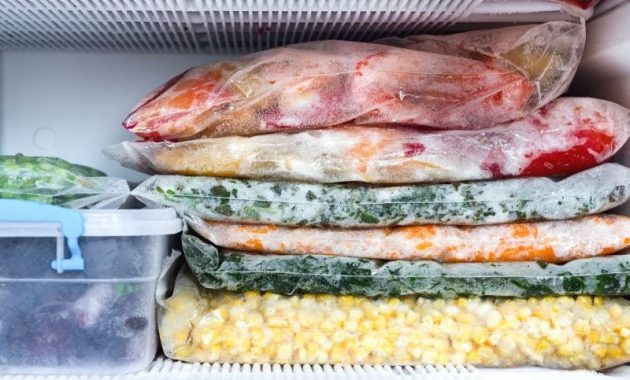
Make the most of summer’s abundance by freezing fruits and vegetables at their peak so you can enjoy fresh flavor and nutrition year-round. Below are the best freezer-friendly options and practical tips for prepping, blanching, and storing produce to preserve taste and reduce waste.
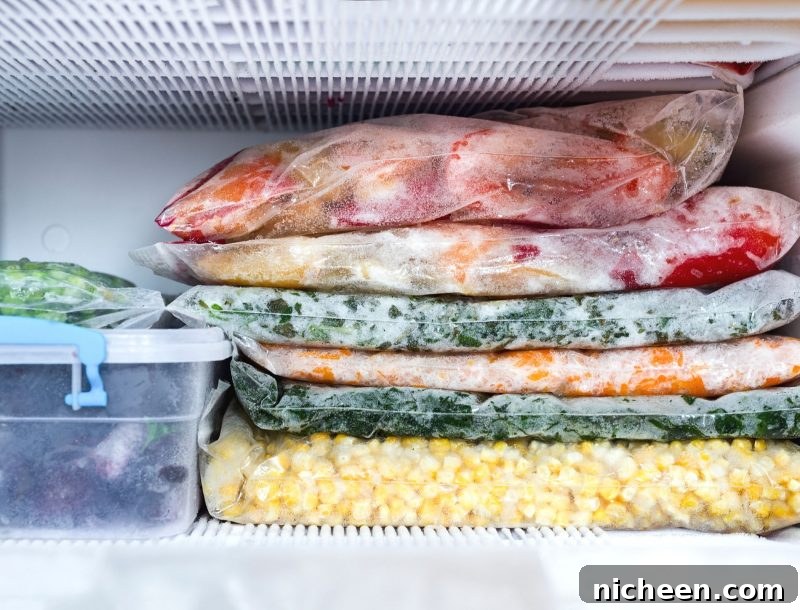
Produce picked at peak ripeness—like market-fresh or home-grown fruits and vegetables—freezes best. Freezing while items are in season not only preserves the best flavor and nutrients, it also saves money and helps prevent food waste.
Shop sales when produce is in season or plan a pick-your-own family outing to bring home a bounty to freeze and enjoy later.
To keep your frozen produce tasting its best, practice careful packaging and storage to avoid freezer burn and off-flavors.
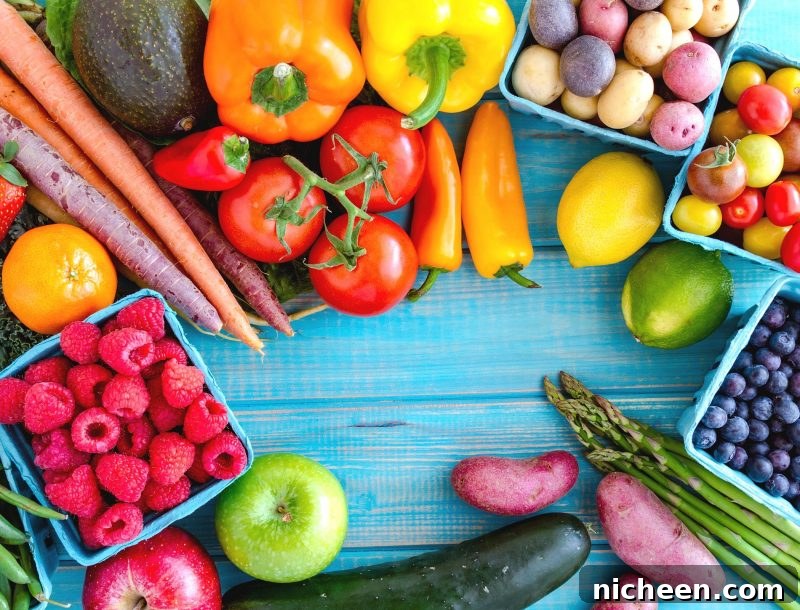
How to Choose Fruit for Freezing
When freezing produce, choose varieties you and your family enjoy and pick them at the peak of ripeness. Look for firm fruit without bruises or soft spots to ensure the best texture and flavor when used later in recipes.
Tip: A quick sniff is a great way to judge ripeness—aromatic fruit usually equals great flavor after freezing.
How to Prep Fruit and Vegetables for the Freezer
Wash, dry, and cut produce to usable sizes before freezing. Smaller, uniform pieces freeze more evenly and make it easier to grab the amount you need for recipes.
Fruits often need minimal prep beyond washing and slicing. Vegetables, however, usually benefit from blanching: a brief boil followed by an ice-water bath to stop cooking. Blanching helps retain color, texture, and nutrients.
Freezing Fruit
Frozen fruit softens when thawed, becoming juicier and less firm, but it retains its flavor. Because of the change in texture, frozen fruit is ideal for smoothies, baked dishes, compotes, and sauces rather than fresh-eating where crispness is desired.
To limit browning in fruits like apples, peaches, and pears, treat cut slices with an acidic solution or powdered vitamin C (ascorbic acid) before freezing. For example, dilute the juice of one lemon in a quart of water and briefly soak the pieces, or mix a teaspoon of powdered ascorbic acid with six tablespoons of water and drizzle over fruit. Always dry fruit thoroughly after treatment before packaging for the freezer.
Fruits That Freeze Well
- Apples
- Apricots
- Bananas
- Berries of all kinds (blueberries and raspberries freeze especially well)
- Cherries
- Coconut
- Cranberries
- Citrus (zest and juice freeze well; whole segments change texture)
- Grapes
- Nectarines
- Peaches
- Pears
- Pineapple
- Plums
- Raspberries
- Rhubarb
- Strawberries
Fruits That Don’t Freeze Well
Some fruits, such as watermelon and certain citrus sections, lose desirable texture when frozen and thawed. They can still be used frozen for blended recipes, but they rarely work well when you want fresh-like texture.
Freezing Vegetables
Freezing vegetables is one of the best ways to make quick, healthy meals through fall and winter. While many vegetables freeze successfully, their texture may soften after thawing, so frozen vegetables are particularly useful in soups, stews, casseroles, and other cooked dishes.
Vegetables That Freeze Well
- Asparagus
- Beans – most varieties
- Beets
- Broccoli (blanch first)
- Cabbage (best for cooked dishes)
- Carrots
- Cauliflower
- Celery (best for cooking)
- Corn
- Eggplant
- Greens (kale, mustard, turnip greens)
- Okra
- Parsnips
- Peas (green and black-eyed)
- Pumpkin
- Sweet potatoes
- Rutabagas and turnips
- Summer squash
- Tomatoes (best stewed or pureed for cooking)
Vegetables That Don’t Freeze Well
Avoid freezing very high-water, delicate raw items like lettuce, cucumbers, endive, parsley, and radishes—they become limp and watery after thawing and are hard to use in recipes that require crispness.
Best Fruits to Freeze for Smoothies
Freezing fruit for smoothies is simple—portion, flash-freeze on a tray if you like, then transfer to labeled bags. The fruits below freeze and blend well:
- Bananas (peeled and sliced)
- Strawberries
- Blueberries
- Kiwi (peeled and sliced)
- Mango (peeled and sliced)
- Pineapple (peeled, cored, and sliced)
- Cherries (pitted before freezing)
Can You Freeze Broccoli?
Yes. Broccoli freezes very well when blanched first. Both florets and stems should be blanched briefly to prevent bitterness, dull color, and a shriveled texture. Blanching preserves bright green color, flavor, and nutrients.
To blanch most vegetables: bring a large pot of water to a boil (about 1 gallon per pound of prepped vegetables). Add the vegetables, cover, return to a boil, and cook for about 5 minutes depending on the vegetable. Immediately transfer to an ice-water bath to stop the cooking, then dry completely before packaging for the freezer.
Keep in mind that while freezing preserves flavor and many nutrients, the texture of thawed produce will often differ from fresh. Use frozen produce in dishes where softened texture is acceptable or desirable.
Freezing your seasonal bounty is a smart, budget-conscious way to extend harvests, cut grocery costs, and reduce waste—giving you fresh-tasting ingredients to enjoy all year.
You can FOLLOW US on FACEBOOK, TWITTER, INSTAGRAM, and PINTEREST to see more recipes and home-preserving tips.
More Ways to Preserve Your Bounty:
Mixed Berry Jam
Strawberry Chia Seed Jam