

Creating a family budget doesn’t have to be complicated. This beginner’s guide walks you through a clear, practical process to plan, track, and improve household finances so your family can move toward greater financial stability and freedom.

How to Create a Simple Family Budget
If you and your partner have talked about creating a family budget but aren’t sure where to begin, start with the essentials: a straightforward outline and a few sensible categories. A family budget should be realistic, shared, and flexible enough to change as your needs evolve.
Follow these basic steps to build a simple, effective budget for your household.
Basic outline for a family budget:
- Bring both partners together and agree on goals.
- Document all income and expenses.
- Identify and trim unnecessary costs.
- Prioritize building savings.
- Create a plan to reduce and eliminate debt.
- Review the budget regularly and adjust as needed.
Top Tips to Stick to Your Family Budget
Family Budget Categories
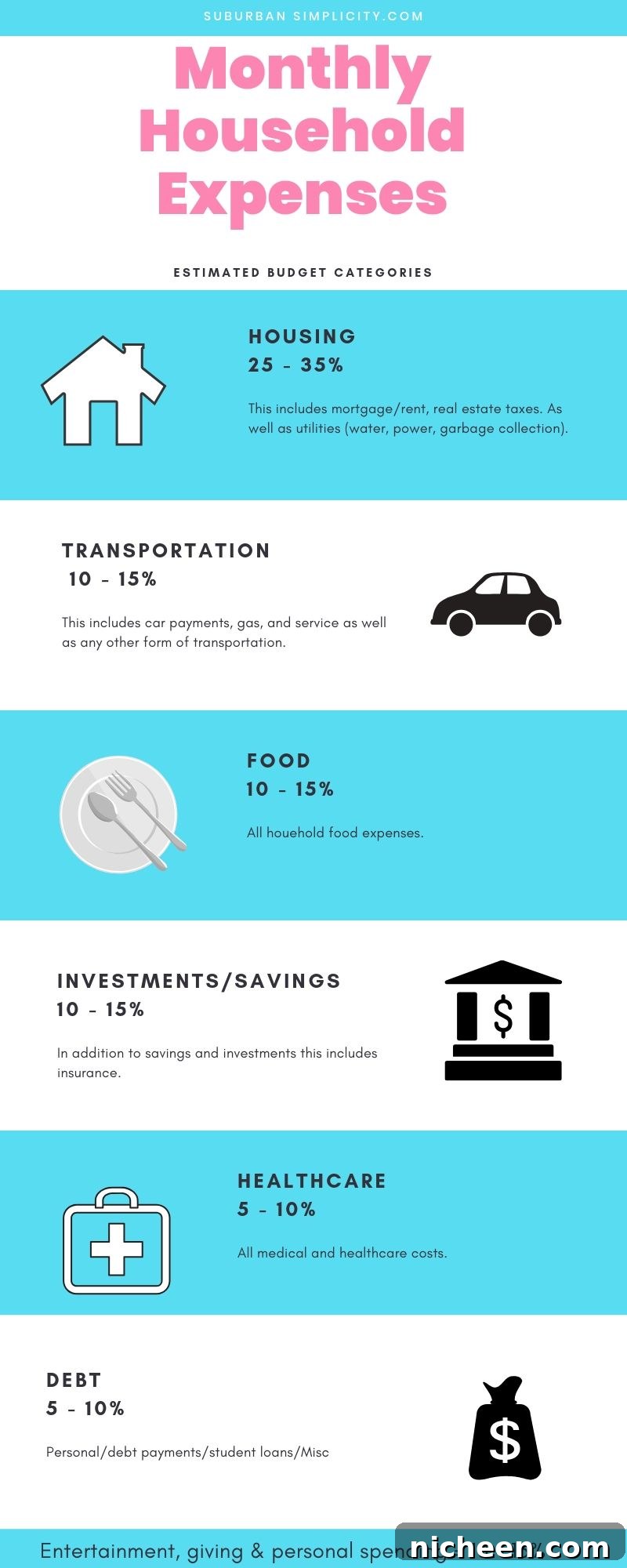
Before outlining a detailed budget, it helps to know where most families typically allocate their money. Use broad categories to get an overview of monthly spending and avoid dozens of tiny line items that make the process unwieldy.
Get on the Same Page as Your Partner
A successful family budget begins with shared priorities. You and your partner may have different money habits and values, so take time to align on short-term and long-term goals—emergency savings, paying off debt, vacations, education, and retirement. Agreement on purpose makes sticking to the plan far easier.
Include family members who can understand the basics. When everyone knows the goals and expectations, the budget becomes a household plan rather than one person’s responsibility.
Calculate Income
Start with your actual income, not an idealized figure. Review your net income—the take-home pay—over the past three months to calculate a realistic monthly average. If you have a steady salary, use that exact amount; if income varies, use a conservative average to avoid overestimating what’s available.
Estimate Expenses
Next, estimate your monthly expenses. Use general categories—housing, utilities, groceries, transportation, insurance, and entertainment—rather than dozens of tiny line items. Broad categories keep the budget manageable while still showing where your money goes.
Expect estimates to improve with time. Track actual spending for several months to refine category amounts. Also remember to include charitable giving and occasional gifts as part of your expenses so your totals remain accurate.
Trim Family Expenses
Once you record actual expenses for a few months, look for areas to trim. Eating out and impulse purchases often create significant savings opportunities. Meal planning, buying in bulk, and avoiding convenience fees are simple strategies that add up.
There are many budgeting tools and worksheets available—look for one that fits your style and helps you track spending consistently. Choose software or a simple spreadsheet, then stick with it so your data becomes meaningful over time.

Some Basic Budgeting Principles
Before you finalize categories and numbers, keep a few core principles in mind to make your budget work.
Distinguish wants from needs. Needs are essentials like housing, food, utilities, and basic clothing. Wants include nonessential upgrades—designer items, specialty foods, or costly home decor. Honest differentiation keeps your priorities clear.
Expenses should not exceed income. If your budget reveals that spending surpasses income, identify where to increase income and where to cut spending. Start by reducing nonessential expenses and gradually work toward larger goals like eliminating high-interest debt.
Use practical saving ideas and habit changes as part of trimming: reduce subscriptions you don’t use, plan meals, and compare prices before big purchases.
Build Savings into Your Family Budget
Make saving automatic. Aim to build an emergency fund to cover several months of expenses—many recommend starting with a smaller emergency cushion and working up toward three to six months. After emergency savings, prioritize retirement accounts and, if applicable, saving for children’s education.

Get Out of Debt
High-interest debt, like credit card balances, can undermine both short- and long-term goals. Tackle debt with a clear repayment plan—whether by focusing on the highest interest first or paying down the smallest balances for momentum—while continuing to save a little each month.
Check-In On Your Family Budget
Regular check-ins keep your budget relevant. Review last month’s spending and plan for upcoming costs during a monthly meeting. Make it simple and consistent—some couples even make it a light, constructive date-night activity so it feels less like a chore and more like teamwork.
How Much Should We Save?
How much to save depends on income, goals, and when you start. One study suggests that starting in your mid-20s may require saving a steady share of income to reach retirement goals, but the exact percentage varies by individual circumstances. The general advice: save as much as you reasonably can and increase your rate over time.
Saving should be a priority, not an afterthought—automate transfers to savings and retirement accounts when possible to build wealth consistently.
How Much Should I Budget for Food?
Food is a major household expense. A reasonable target is to allocate roughly 10%–15% of your overall budget to groceries and eating out combined, though this will vary by family size and location. Meal planning and tracking your food spending for a month or two will reveal how closely your habits match your budget and where adjustments are needed.
In summary, regaining control of household finances begins with a simple, honest budget that you and your family create together. Prioritize realistic income estimates, reasonable spending categories, an emergency fund, and a plan to reduce debt. With consistent tracking and regular check-ins, a simple family budget can reduce stress, increase savings, and help you reach the financial goals that matter most.
Read Next: 10 Quick and Easy Ways to Simplify Your Life