
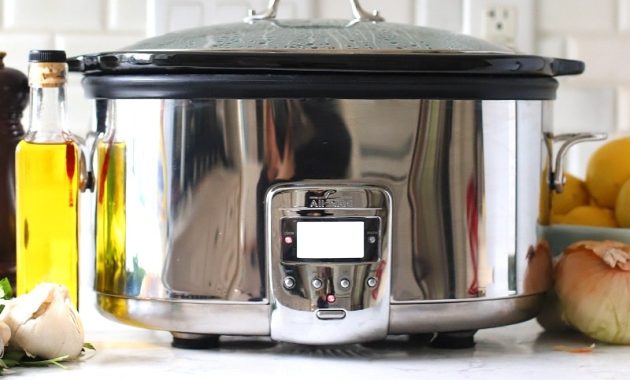
How to Use a Crock Pot — practical tips, smart tricks, and simple ideas to make this time-saving kitchen appliance work for you.
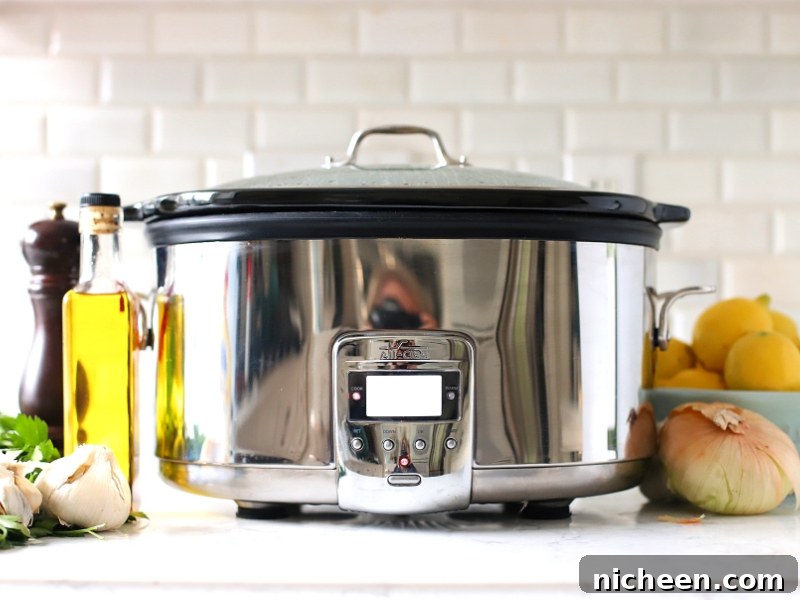
How to Use a Crock Pot
Crock pots, also called slow cookers, are one of the easiest appliances to use and one of the most useful for busy households. With minimal prep you can set dinner to cook while you work, run errands, or sleep. Below are practical guidelines and tips to help you get consistent, delicious results every time you use your slow cooker.
Before you try a new recipe, it helps to know a few basic slow-cooking principles. These pointers will improve flavor, reduce cleanup, and keep your meals safe to eat.
Tips for Cooking in a Crock Pot
If you’re new to slow cooking, these essential tips will get you started and help you avoid common mistakes.
Crock Pots Come in Different Sizes
Choose the right size slow cooker for your recipe. Many recipes are developed for a 6-quart crock pot, but small households may prefer a 3- to 4-quart model while larger families may need 7 quarts or more. Using the size recommended by the recipe helps ensure proper cooking times and even heat distribution.
Don’t Put a Cold Insert in a Hot Oven or on a Hot Surface
A sudden change from refrigerator to oven or stove can cause the ceramic insert to crack. Let the insert come to room temperature before exposing it to high heat.
Defrost Frozen Ingredients First (When Possible)
For food safety, thaw meats and other frozen ingredients before adding them to the slow cooker. Slow cookers take time to reach safe cooking temperatures, and starting with frozen items can extend the period when food sits at temperatures that encourage bacterial growth. Some recent guidance allows cooking from frozen in certain circumstances, so use your judgement and follow trusted recipe directions.
Don’t Overfill the Crock Pot
A good rule is to fill your slow cooker no more than two-thirds full. Overcrowding prevents even cooking and can keep the food temperature too low for safe consumption. Conversely, running a very small amount of food can cause scorching; aim for that two-thirds target when possible.
Practical Tips for Using Your Crock Pot
Use Slow Cooker Liners to Speed Cleanup
Disposable slow cooker liners can reduce cleanup time significantly, especially after saucy or sticky recipes. They’re convenient for busy nights but create extra waste, so weigh convenience against environmental concerns.
Remove Stains and Residue Naturally
White mineral residue or stains inside the insert can usually be removed with a paste of baking soda and white vinegar or with a soak in warm soapy water. Gently scrub with a soft sponge to avoid scratching the ceramic.
Add Dairy Near the End
Dairy ingredients like milk, cream, and soft cheeses can break or separate when cooked for long periods. Stir them in during the last 15–30 minutes of cooking to preserve texture and flavor.
Keep the Lid Closed as Much as Possible
Resist lifting the lid during cooking. The lid traps heat and moisture, so every time you open it, the slow cooker can lose up to 30 minutes of cooking progress. Only open the lid when the recipe calls for it or when you must add an ingredient.
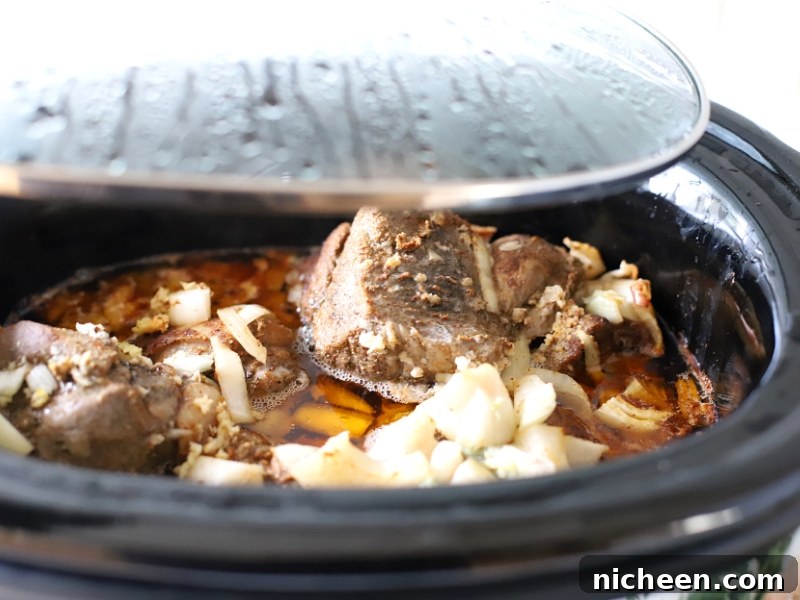
Brown Meats First for Better Flavor
While not strictly necessary, searing meat briefly on the stove before adding it to the slow cooker builds richer, caramelized flavors that a slow cooker alone can’t produce. Quick browning improves texture and depth for stews, roasts, and braises.
Example: Try searing beef for slow-cooked French dip sandwiches for a more flavorful result.
Remove Poultry Skin, Keep the Bones
Chicken skin can become rubbery in a slow cooker, so remove it before cooking. Bones add flavor and help keep the meat tender, so leave them in unless you’re using boneless pieces. Note: chicken typically doesn’t need to be browned first because it can overcook when transferred from a hot pan to the slow cooker.
Be Cautious Cooking Pasta
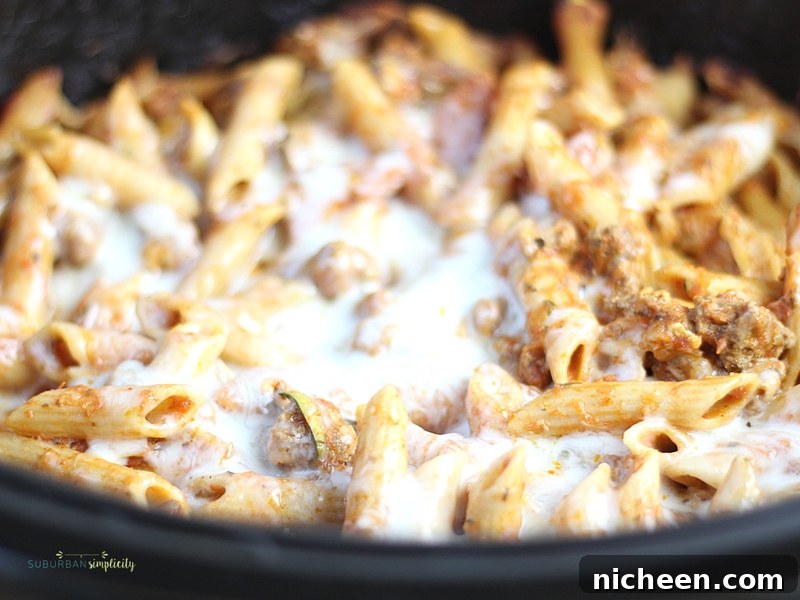
Pasta can easily overcook and become mushy in a slow cooker. For best texture, add pasta toward the end of the cooking time or cook it separately and stir it in just before serving. Some slow-cooker pasta casseroles work if recipes are tested for timing and liquid ratios.
Make Freezer-Friendly Slow Cooker Meals
Batch-cook and freeze portions for quick meals later. Many slow cooker recipes freeze well—prepare ingredients in freezer bags, then thaw before cooking or follow the recipe’s freezer directions to reheat safely.
Keep Your Kitchen Cooler in Summer
Using a slow cooker avoids heating up your kitchen the way an oven does, making it a great choice on hot days.
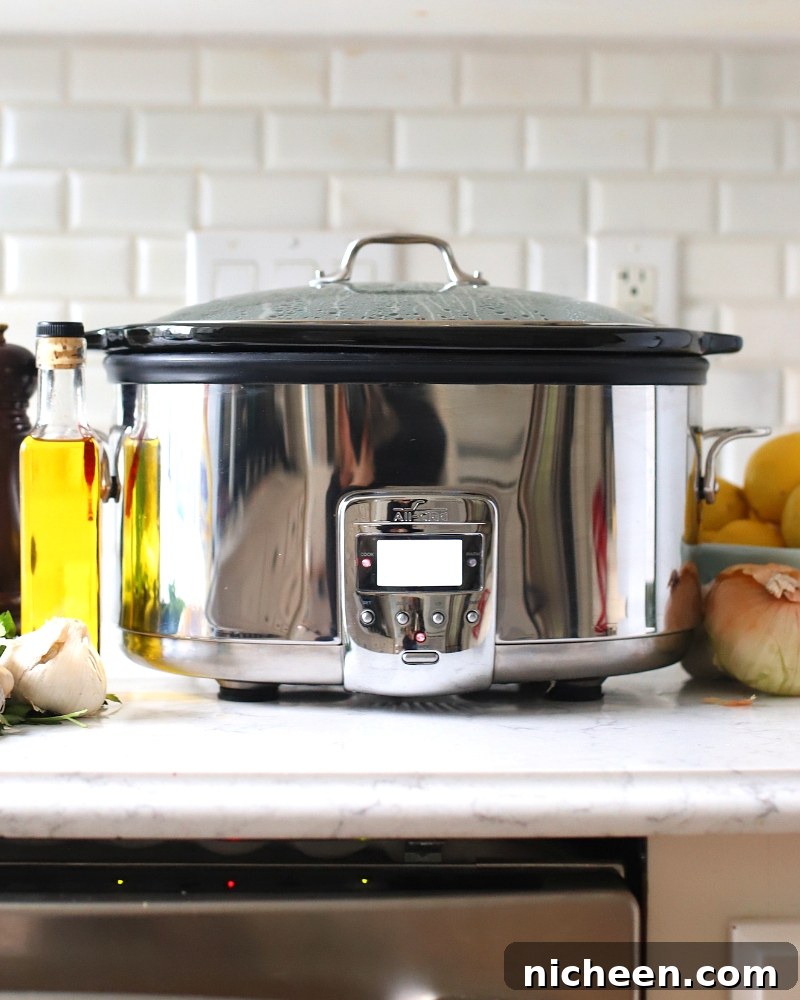
Can a Crock Pot Insert Go in the Oven?
According to the Crock–Pot® brand, removable crockery inserts (without the lid) are generally oven- and microwave-safe up to 400°F. Check your slow cooker’s manual for the manufacturer’s specific guidance if you own a different brand.
This post contains affiliate links. Disclosure policy here.
Easy Crock Pot Recipes to Try
Try these slow-cooker favorites for simple weeknight meals and family dinners:
Crock Pot Pulled Pork Tacos
Crock Pot Chicken Curry
Crock Pot Taco Soup
Crock Pot White Chicken Chili
Crock Pot French Dip Sandwiches