
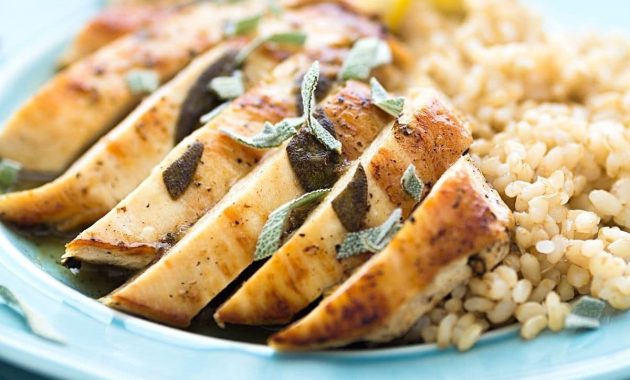
Life is busy, and your freezer can be a huge help when it comes to simplifying dinner. Freezing chicken and rice lets you prepare meals in advance, reduces cooking time on hectic nights, and stretches your grocery budget. Whether you’re batch-cooking a casserole, portioning out leftovers, or preparing individual freezer meals, these practical tips will help you freeze, store, and reheat chicken and rice with the best results.
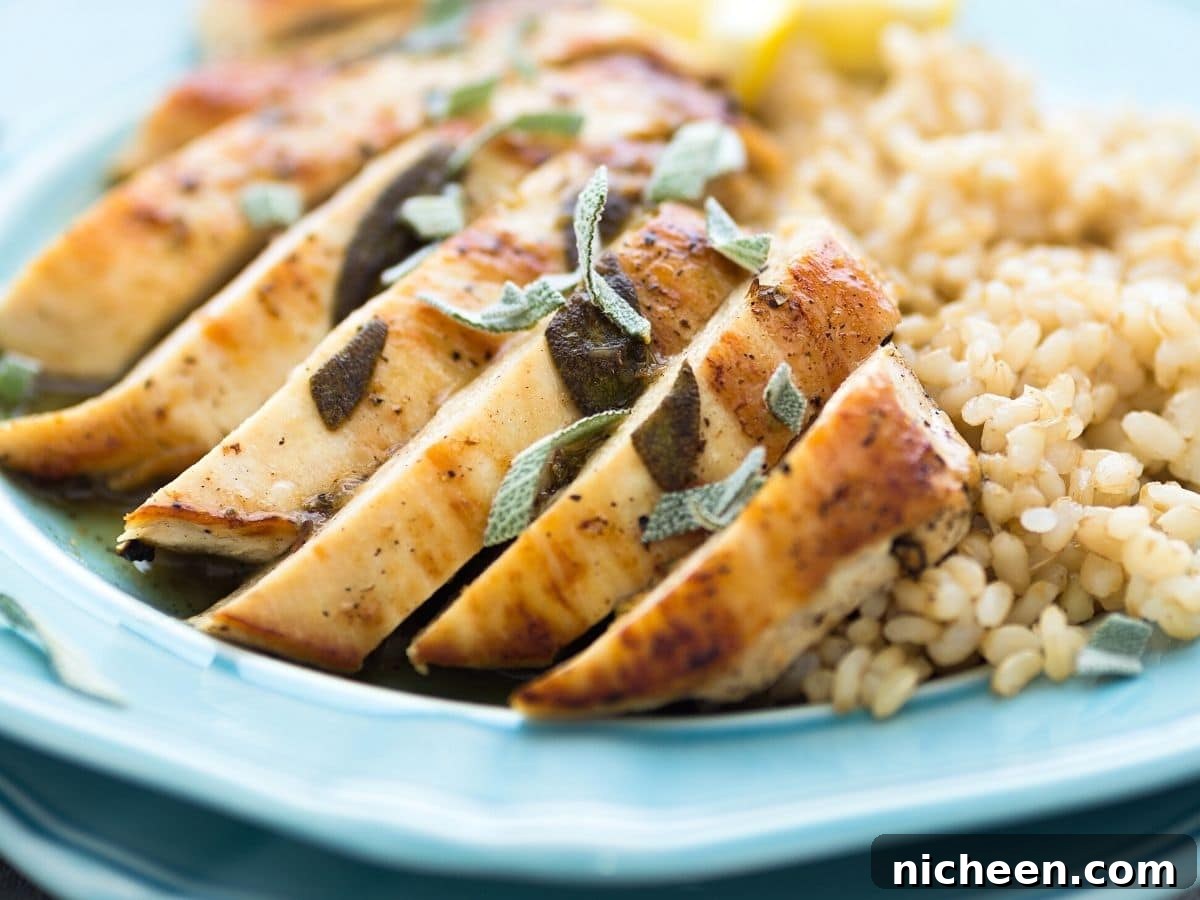
Yes — you can safely freeze chicken and rice together. Properly cooled and stored, cooked combinations of chicken and rice reheat well and make excellent freezer meals. The key is cooling quickly, packaging airtight, and reheating to a safe internal temperature.
We often prepare big batches of family favorites like slow-cooker or Instant Pot chicken and rice, divide them into portions, and freeze what we won’t eat within a day or two. You can also freeze shredded cooked chicken separately and combine it with frozen rice or vegetables when you reheat.
Supplies you’ll need
Gathering the right containers and tools makes freezing and thawing easier and helps preserve texture and flavor.
For individual portions:
- Freezer-safe containers or airtight zip-top plastic bags work well for single servings or family-sized portions.
For a whole casserole or recipe (cooked):
- Freezer-safe casserole dishes or disposable aluminum pans
- Covers, lids, or heavy-duty aluminum foil for sealing
If you plan to freeze fruits or vegetables with your dish, choose items that freeze well or blanch them first for best texture.
Can you freeze cooked chicken and rice together?
Yes. When properly cooled, packaged, and frozen, cooked chicken and rice can be stored together. Thaw overnight in the refrigerator and reheat until the internal temperature reaches 165°F (74°C) to ensure safety and quality. Reheating can be done in the oven, on the stovetop, or in the microwave depending on the dish.
How long can you keep chicken and rice in the freezer?
For best texture and flavor, use cooked chicken-and-rice dishes within about two months. Beyond that time, rice can dry out and the overall texture and taste may decline even though the food remains safe if kept frozen continuously.
How to Freeze Rice (cooked)
Cooked rice freezes well when handled correctly. These steps work for white rice, jasmine, basmati, and brown rice variants.
Prepare your rice as usual and let it cool slightly before freezing. Spreading it briefly on a baking sheet helps it cool faster and prevents clumping.
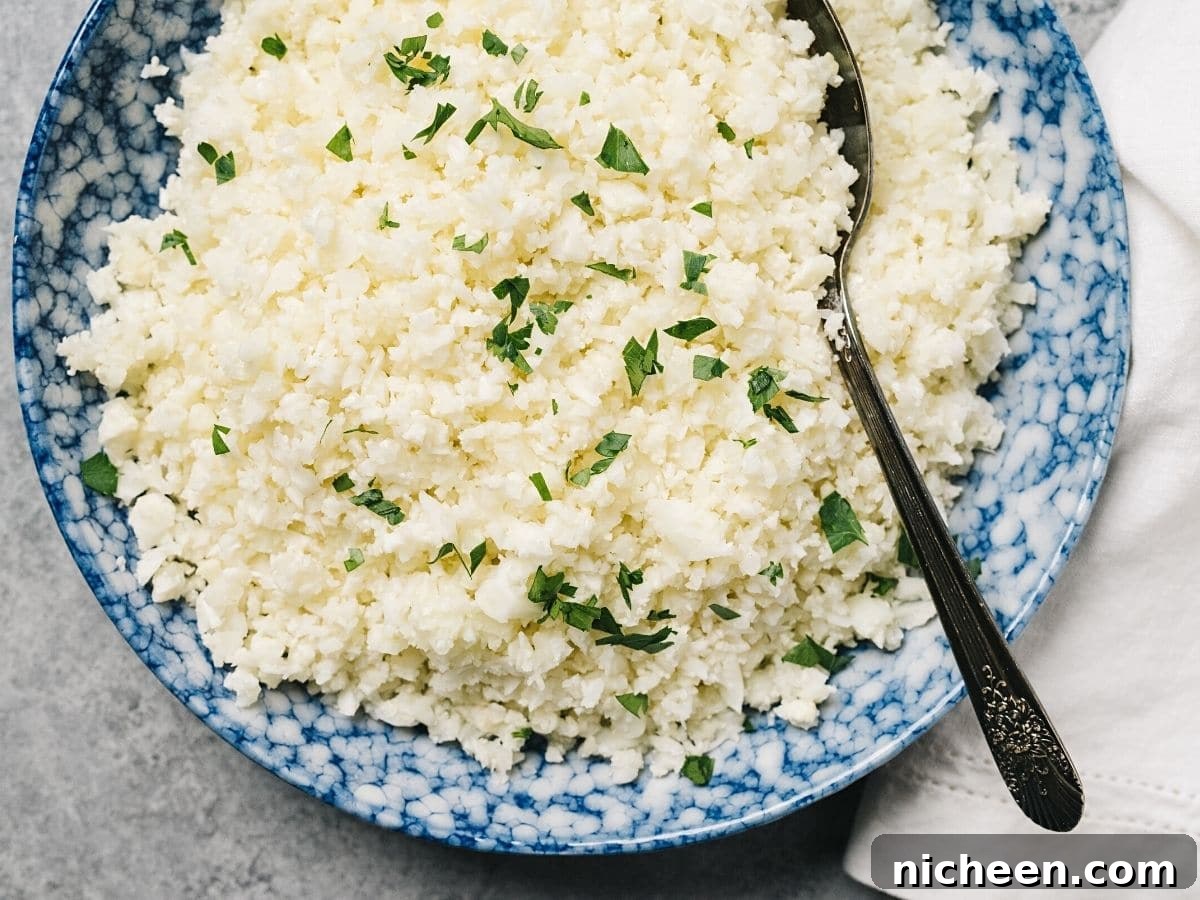
Instructions for freezing
- Spread freshly cooked rice on a baking sheet and break up any clumps so it cools evenly.
- When the rice reaches near room temperature (usually around 20 minutes), transfer it into labeled freezer bags or airtight containers. Note the date and the amount so you can manage portions later.
- Lay bags flat to freeze for easier storage and faster thawing. Store frozen rice up to two months for optimal quality.
Tip: Avoid leaving cooked rice at room temperature for long periods to reduce the risk of foodborne illness, and follow good practices to prevent freezer burn by removing excess air from bags.
Instructions to reheat
- Break frozen rice into chunks while still in the bag if possible, then place the portion in a microwave-safe bowl.
- Add a few drops of water to restore moisture and cover the bowl tightly with a microwave-safe lid or plastic wrap.
- Microwave on high for 2–3 minutes, adjusting time by your microwave’s wattage and the portion size.
- Carefully remove the cover (watch for steam), fluff the rice with a fork, and serve immediately. Ensure the rice reaches 165°F (74°C) when reheated.
Tip: Reheat only what you’ll eat—reheating rice more than once is not recommended.
How to freeze uncooked rice
- Place uncooked rice in a labeled, freezer-safe zip-top bag.
- Remove as much air as possible and seal tightly.
- Store the bag flat to save space. There’s no need to thaw uncooked rice before cooking; just measure and cook as usual.
How to add frozen rice directly to dishes
Frozen rice can be added straight into soups, stews, chilis, or simmering sauces. Because it defrosts quickly when submerged in liquid, it’s especially handy for one-pot meals. You can also drop frozen rice chunks into a simmering pot; once it returns to a simmer, it’s ready to be served.
Can You Freeze Rice Dishes?
Many rice-based dishes freeze well, including casseroles that contain cheese, cream soups, or sour cream. Cool cooked dishes quickly, then seal tightly in freezer-safe containers or wrap them well in foil. Defrost overnight in the refrigerator before reheating for best results. As with plain rice, expect the texture to change slightly after freezing, but most casseroles remain delicious and convenient for meal prep.
Can You Freeze Takeout Rice?
It’s not recommended to freeze rice from takeout. Unlike food cooked and packaged at home, takeout rice may have been reheated multiple times before it reaches you. Reheating rice more than once increases the risk of foodborne illness, so it’s safer to eat takeout rice immediately or discard leftovers rather than freeze them.
Note: Uncooked rice can contain spores of Bacillus cereus, which can survive cooking and can grow if rice is left at room temperature. To reduce risk, cool and refrigerate leftovers promptly and reheat thoroughly to 165°F (74°C) before eating.
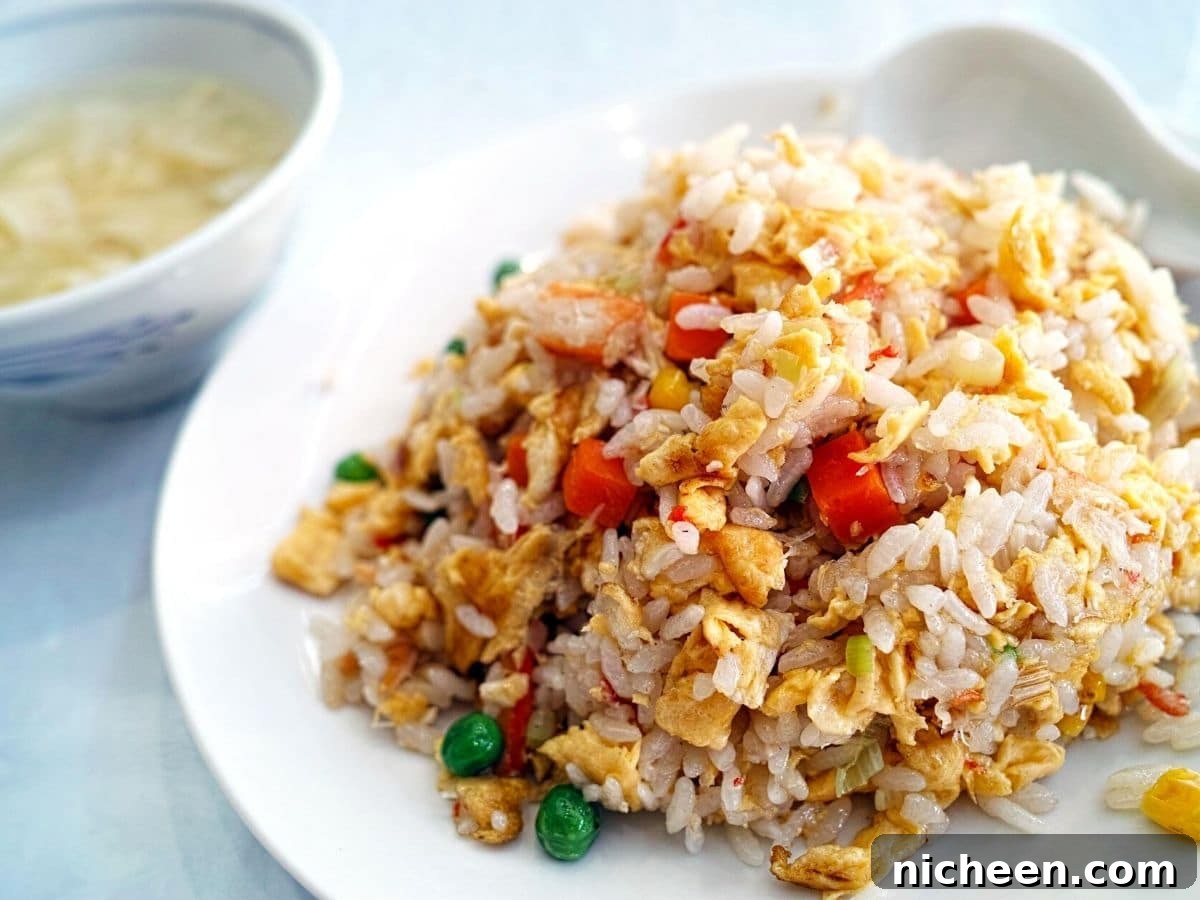
More easy meal ideas
Try batch-cooking simple recipes like honey garlic chicken, quick chicken soup, or sheet-pan dinners and freeze portions for later. Preparing a few staple meals and frozen rice portions can save time, reduce stress, and keep weeknight dinners convenient and satisfying.
Follow practical food-safety steps—cool quickly, package airtight, label with dates, and reheat to at least 165°F—and your frozen chicken and rice meals will be a reliable go-to for busy days.